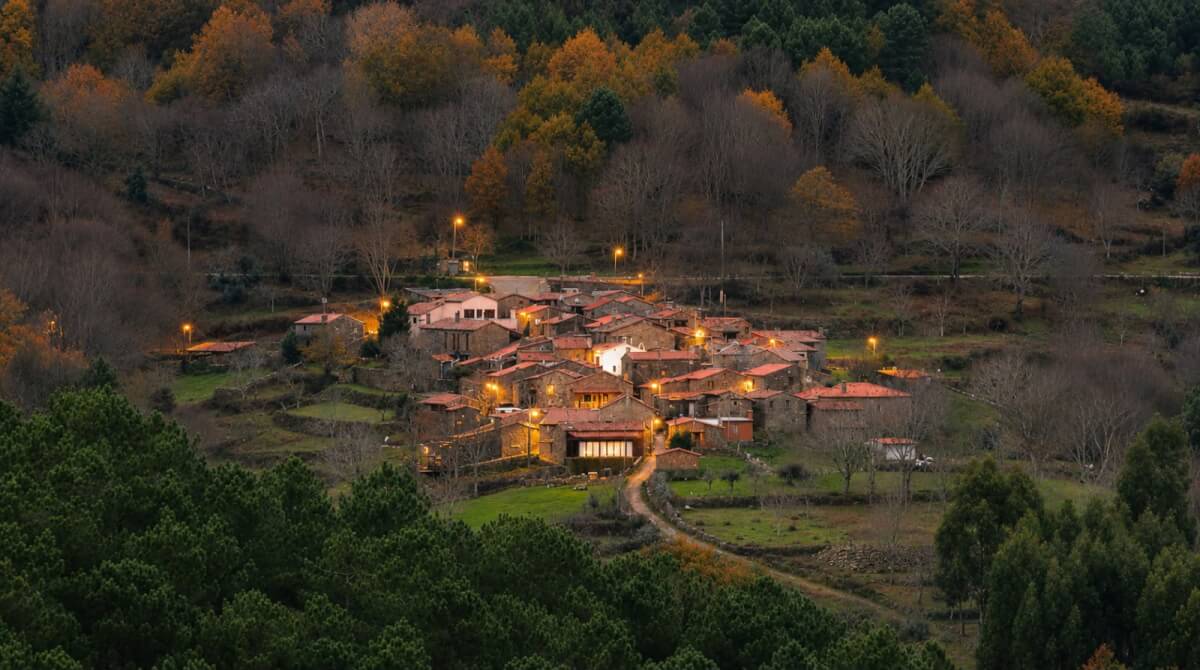
Some places invite you to slow down and discover the hidden charms that lie beyond the best-known destinations. Just a few kilometres from Coimbra, Miranda do Corvo is one of those places, where the landscapes of the Serra da Lousã, historical heritage and traditional cuisine come together. As autumn arrives, the warm colours of nature make this region even more inviting for a day out exploring picturesque villages, historic streets and traditions passed down through generations.
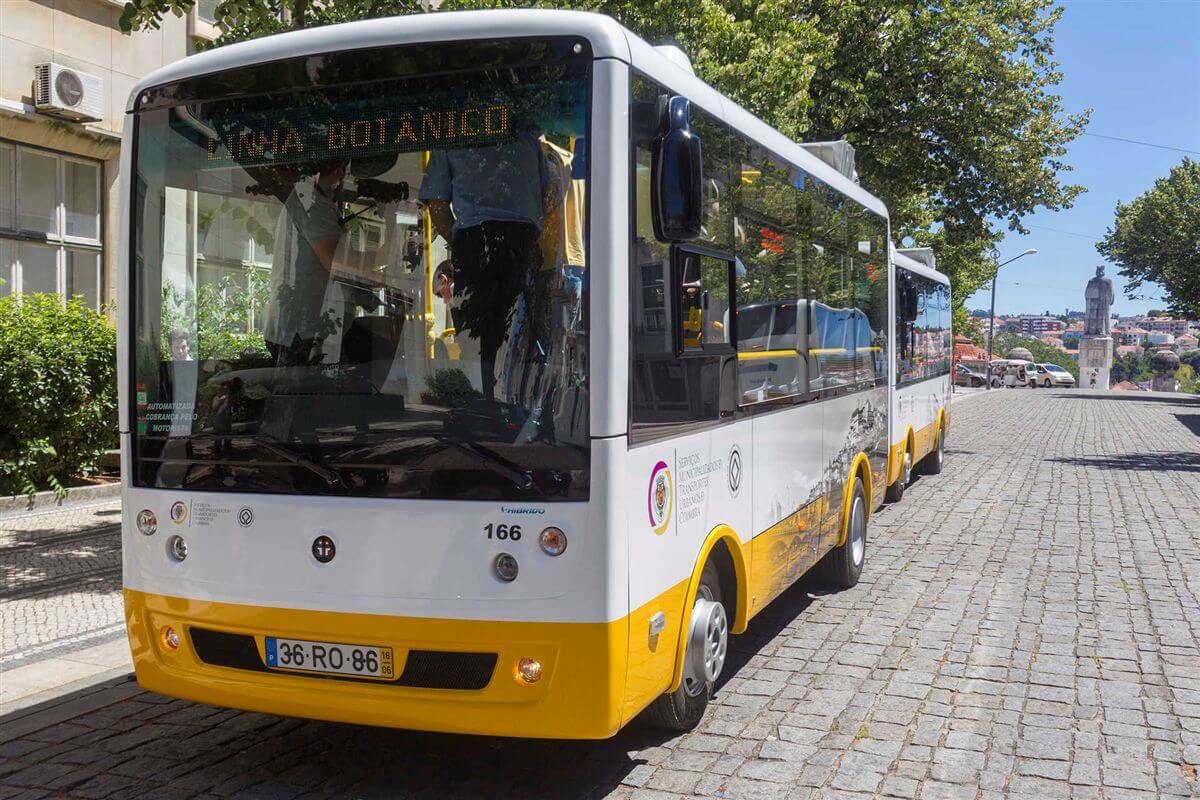
For visitors staying in Coimbra, exploring Miranda do Corvo has become easier thanks to the Metrobus service operated by the Mondego Mobility System. From the Portagem stop, near Hotel Oslo Coimbra, you can reach the town in approximately 37 minutes, making public transport a convenient way to discover more of the surrounding region.
Nestled among valleys and mountains, Miranda do Corvo has a strong connection to nature and the traditions that shape its identity. In the town itself, take some time to wander through the historic centre, visit the Igreja Matriz (Parish Church) and climb up to Alto do Calvário, where you can enjoy views over the town and the surrounding countryside.
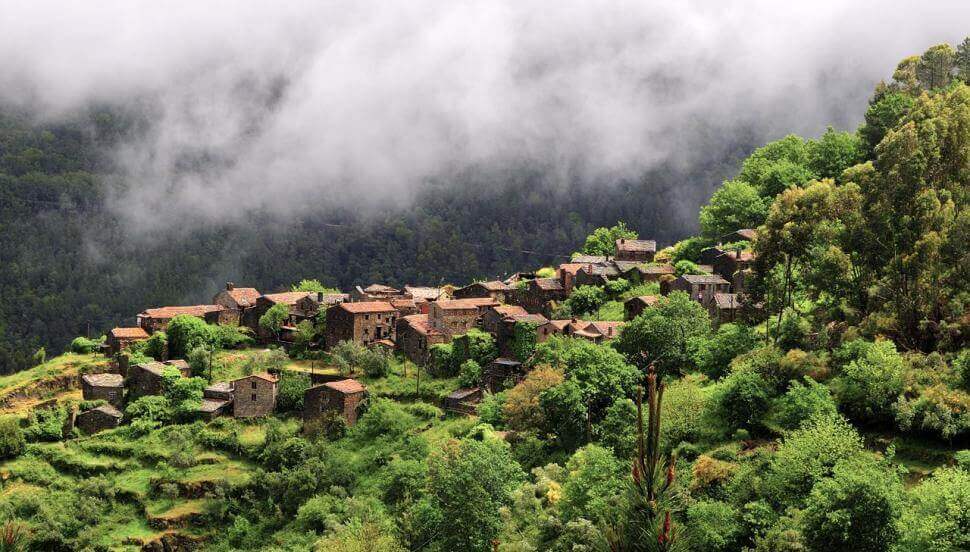
For a glimpse of the municipality’s more rural side, head towards the Serra da Lousã, where you will find Gondramaz, one of Portugal’s Schist Villages. Surrounded by chestnut and oak trees, this small village is known for its traditional schist houses, narrow winding streets and intricate stone carvings that reflect its long-standing craftsmanship. Located around 8 km from the town centre, Gondramaz is not directly served by Metrobus, so we recommend checking the availability of taxis or other transport options in advance.
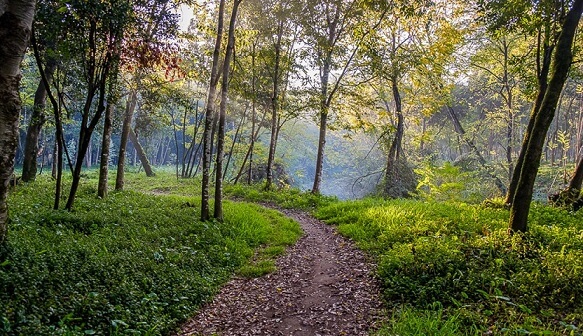
Nature takes centre stage at the Serra da Lousã Biological Park, located at Quinta da Paiva, in Miranda do Corvo. Covering approximately 33,000 square metres, the Wildlife Park offers visitors the opportunity to observe a variety of animal species that live or once lived in Portugal, including Iberian wolves, lynxes, brown bears, deer and birds of prey. As you follow the trails through trees and vegetation typical of the region, you can discover the diversity of its wildlife and the importance of protecting it.
But there is much more to experience beyond wildlife watching. At the Educational Farm, visitors can discover different native Portuguese livestock breeds and learn about their connection to traditional rural life. The park also features a maze formed by fruit trees, where changing colours, scents and seasonal transformations offer a different experience throughout the year.
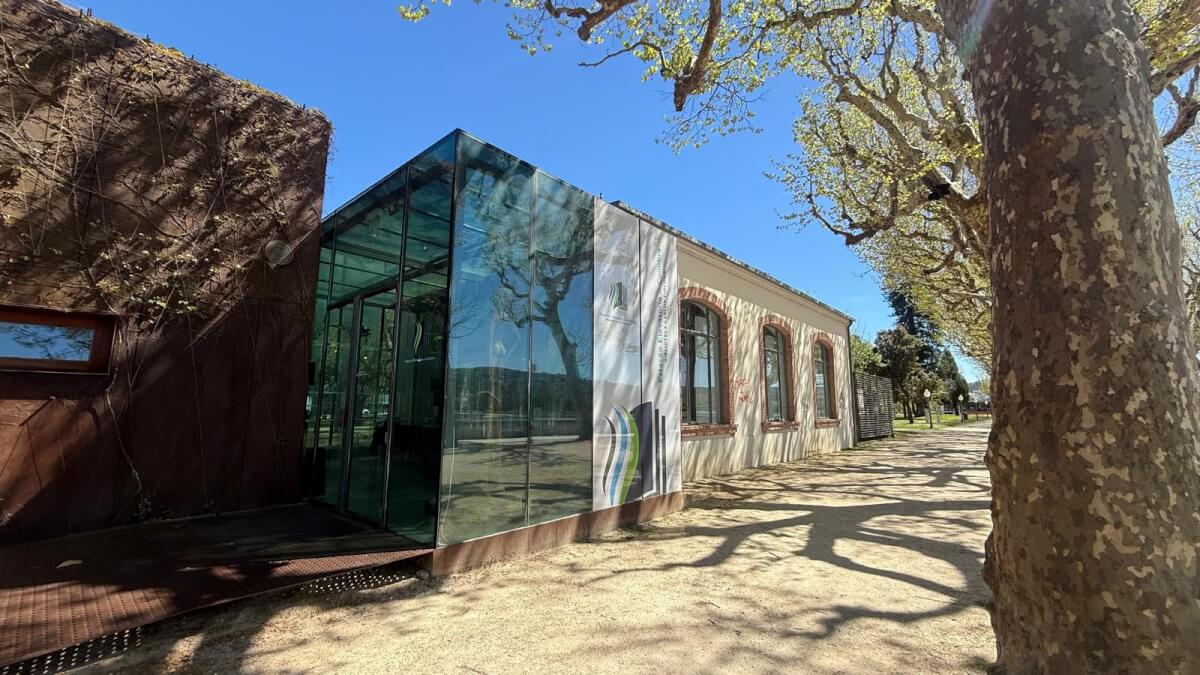
From discovering wildlife to meeting farm animals and exploring the natural surroundings, the Biological Park offers plenty of reasons to spend several hours here. It is particularly appealing to families, but also to anyone interested in learning more about Portugal’s biodiversity and enjoying time outdoors. For visitors arriving by Metrobus, the park is approximately a 15-minute walk from Miranda do Corvo station.
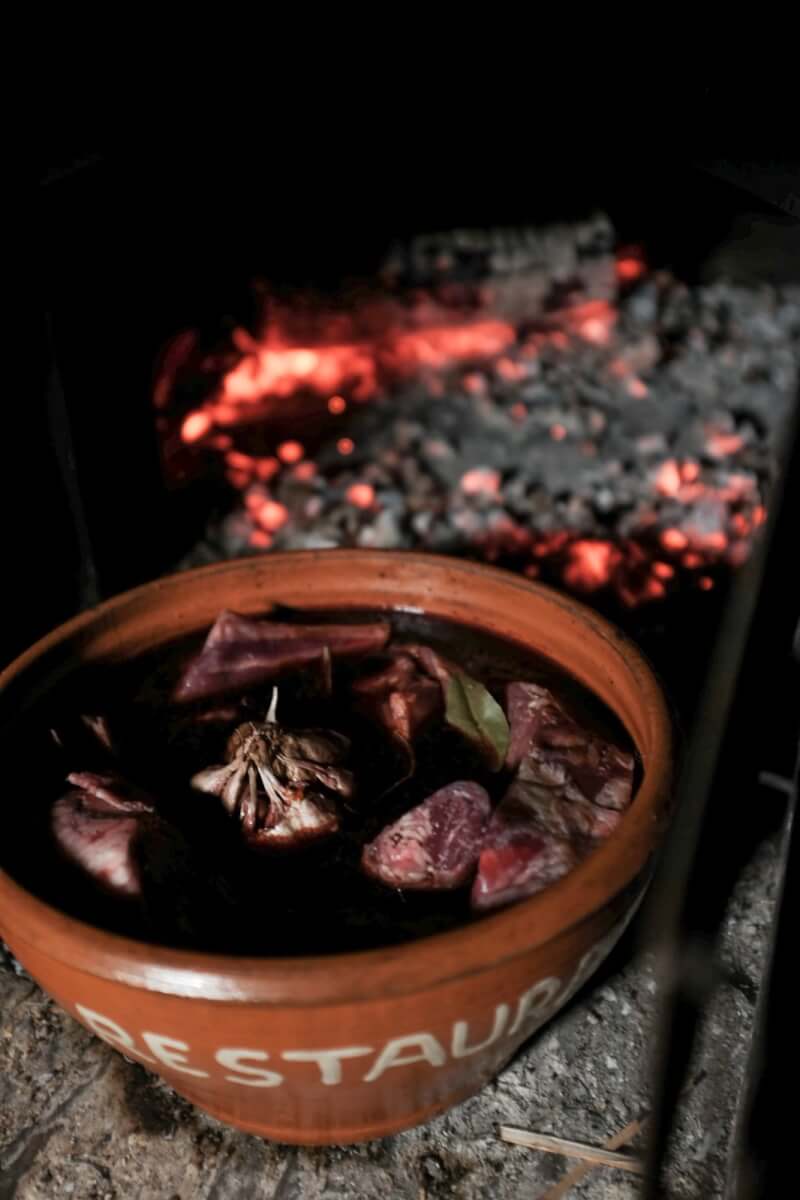
Gastronomy is another great reason to visit Miranda do Corvo. Known as the Birthplace of Chanfana, the municipality has a strong connection to this traditional dish, made with meat from an older goat, red wine, garlic, bay leaves and spices. The meat is slowly cooked in clay pots, traditionally in a wood-fired oven, where it remains for several hours until it develops its distinctive, rich flavour. Often served at local festivals and celebrations, chanfana is much more than a regional speciality: it is part of Miranda do Corvo’s identity and collective memory.
The origins of this dish are surrounded by various legends, some linked to the Monastery of Santa Maria de Semide and others to the period of the French Invasions. According to one tradition, the nuns at the monastery discovered that wine could be used to preserve and cook goat meat. This connection between local cuisine and making the most of available ingredients can also be found in other regional specialities, such as negalhos, made with goat stomach and intestines, and sopas de casamento (wedding soups), prepared with bread, cabbage and the sauce from chanfana, traditionally associated with meals served after wedding celebrations.
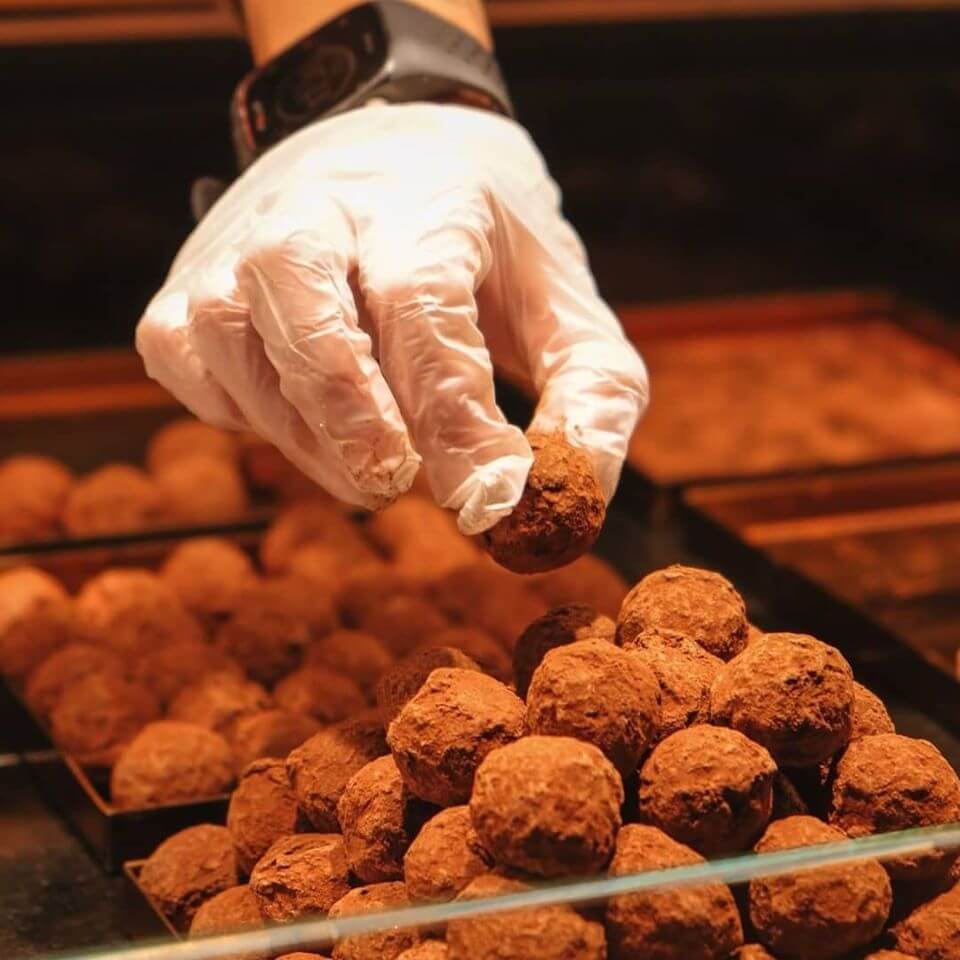
To finish the meal, there is another local speciality worth discovering: nabada. With its origins in convent cooking, this sweet treat is made with turnip, sugar and almonds, an unusual combination that requires a long and careful preparation process. Passed down through generations, the recipe continues to preserve a little of Miranda do Corvo’s history and culinary traditions.
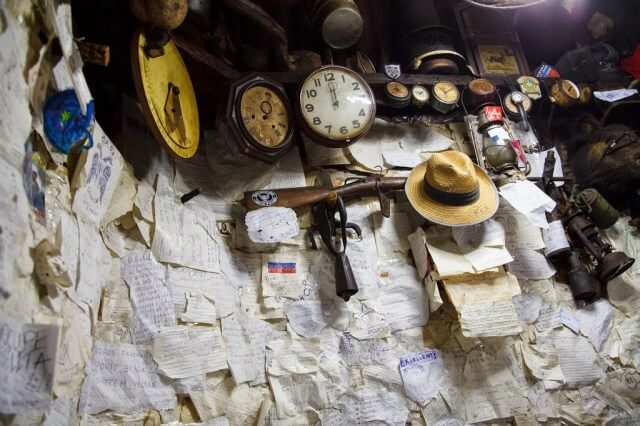
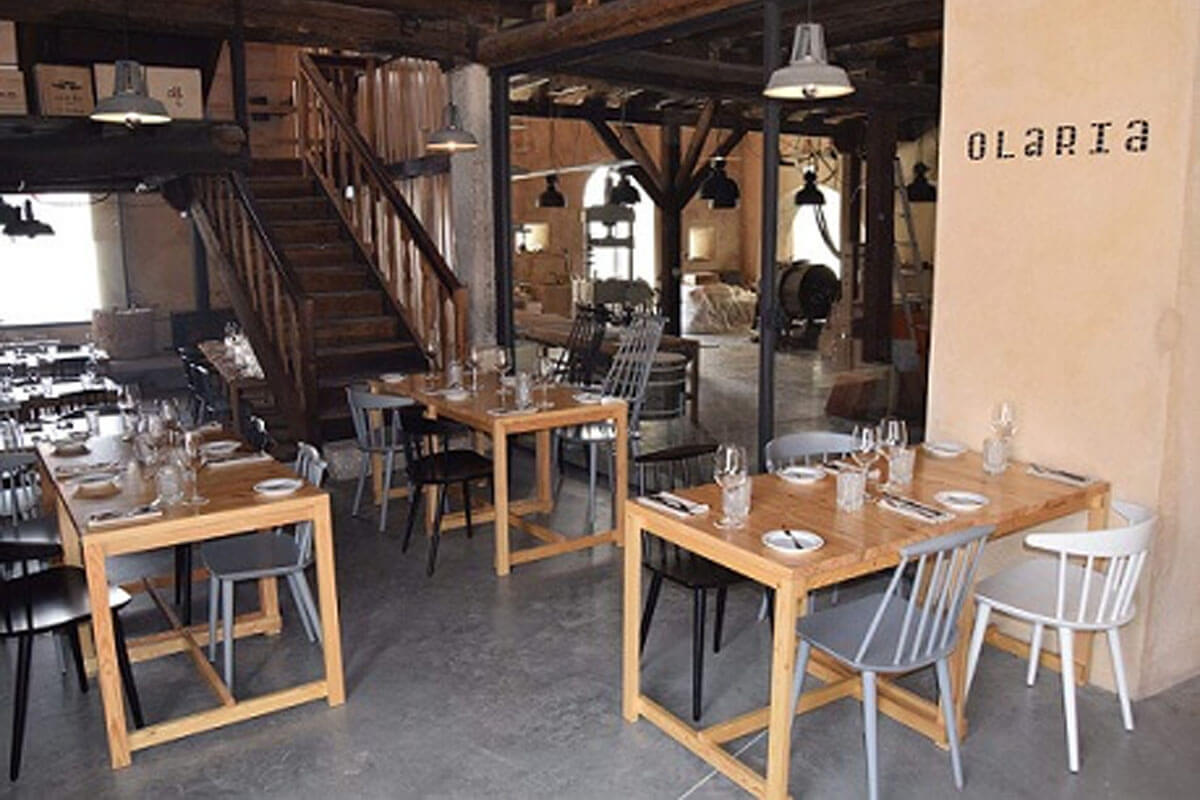
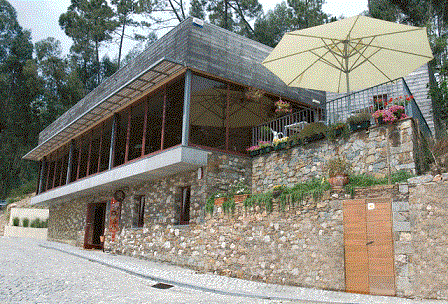
For those wishing to discover these flavours, the Restaurante Museu da Chanfana, located next to the Serra da Lousã Biological Park, combines traditional cuisine with the preservation of local history and customs. Created as a tribute to the region’s culinary heritage, the restaurant highlights the origins and traditional preparation methods of local dishes, with particular emphasis on chanfana and the revival of the nabada recipe.
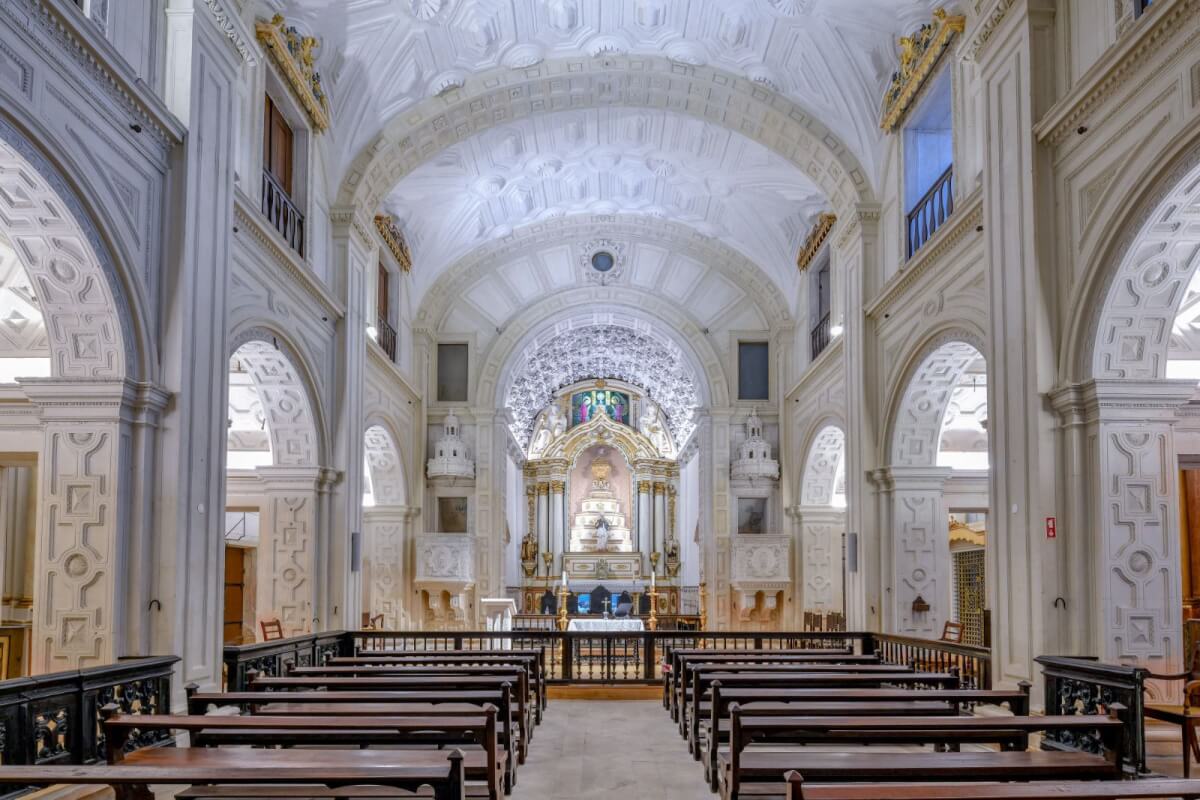
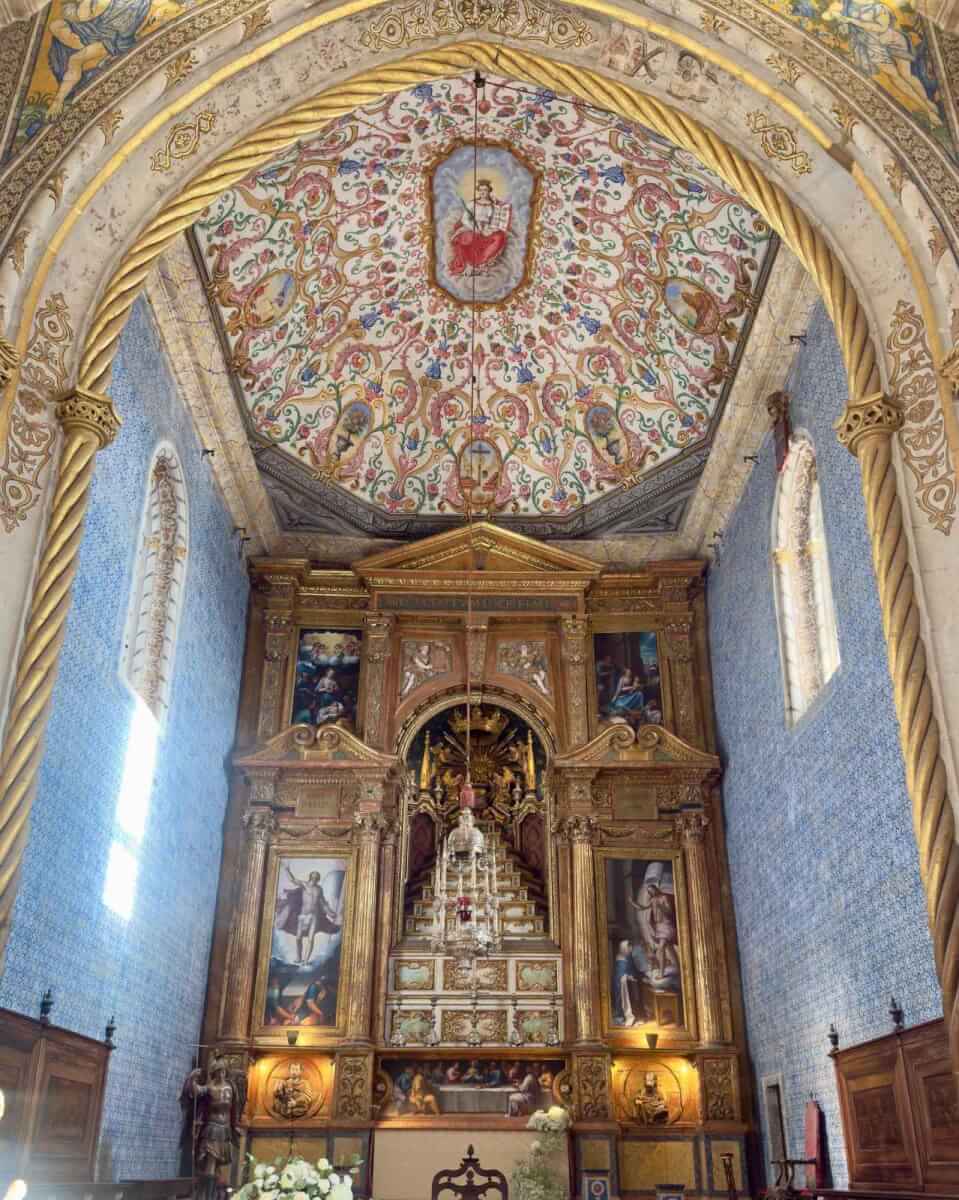
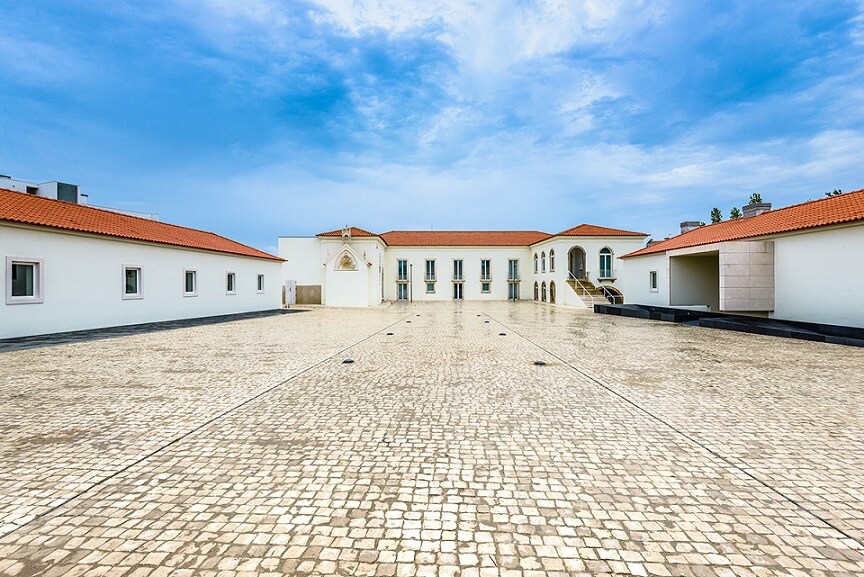
Semide is also home to another important chapter in the municipality’s history. Dating back to the 12th century, the Monastery of Santa Maria de Semide has undergone many transformations over the centuries, including a major fire in 1664 that destroyed much of the original building. Today, its church preserves valuable artistic features, including 18th-century decorative tiles and a pipe organ from the same period, reflecting the site’s rich historical and cultural heritage. Located approximately 8 km from the town centre, the monastery is not directly served by Metrobus, so we recommend checking the availability of taxis or other transport options in advance.
With its mountain landscapes, historical heritage and flavours passed down through generations, Miranda do Corvo offers plenty of reasons to visit. Just a short distance from Coimbra, it invites you to venture beyond the usual tourist routes and take your time discovering a quieter, more traditional side of the region.













































































































 Map and Directions
 Contacts