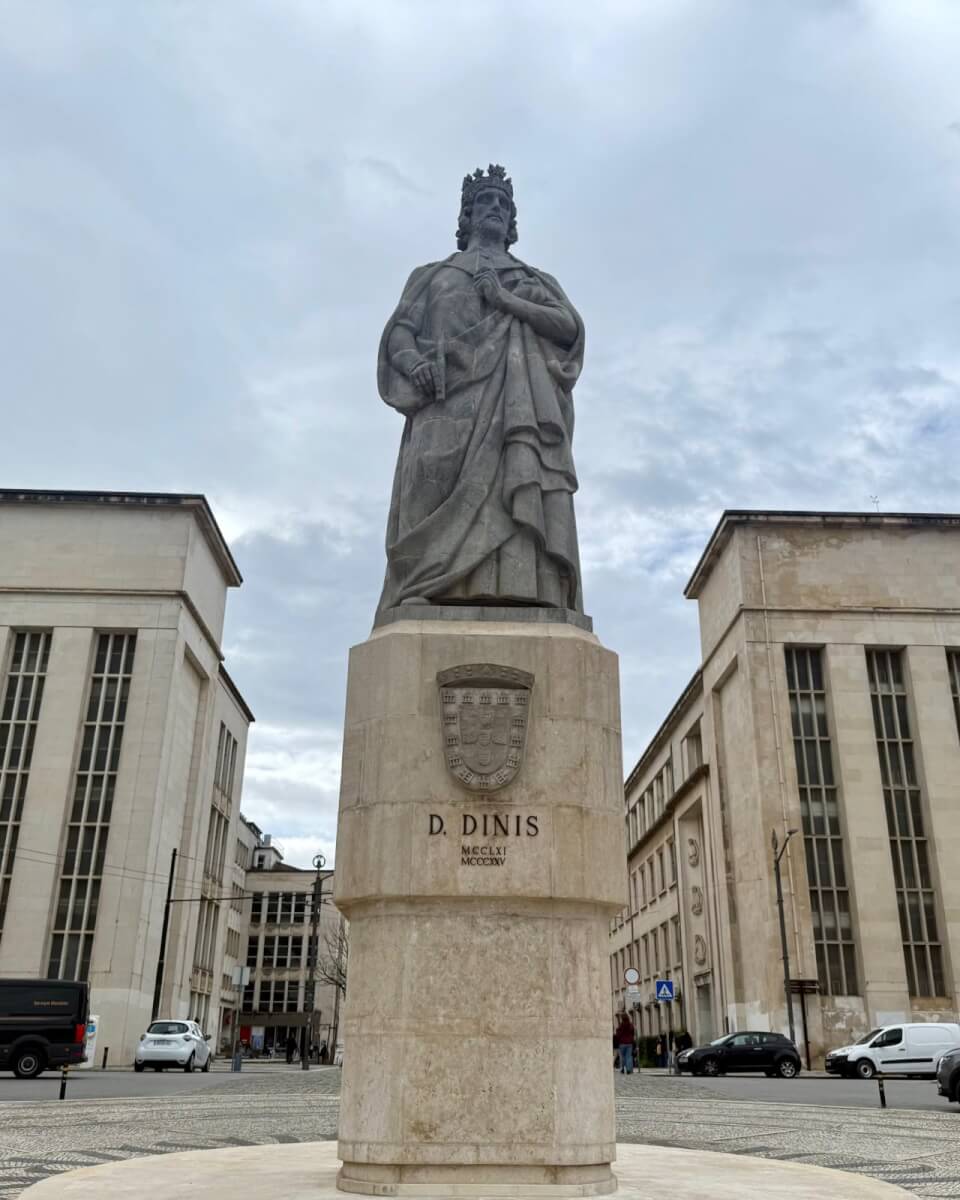
There are figures who belong in history books. And there are others whose presence can still be felt centuries later, in the streets, monuments and identity of a city. In Coimbra, King Dinis is one of them.
Known as the Farmer King, the Poet King and one of the most remarkable monarchs in Portuguese history, King Dinis left a legacy that extended far beyond agriculture, poetry and the reforms of his kingdom. He also made one of the most important decisions in Coimbra’s history, laying the foundations for the university city that continues to distinguish it around the world today.
When he ascended the throne in 1279, Portugal was experiencing a period of territorial stability. With no need to expand the kingdom’s borders, King Dinis devoted his reign to strengthening the country. He reformed the administration, encouraged agriculture, promoted trade, established Portuguese as the official language of royal documents and became one of the great patrons of culture. A poet and troubadour himself, he composed dozens of troubadour songs and transformed his court into one of the leading literary centres of the Iberian Peninsula.
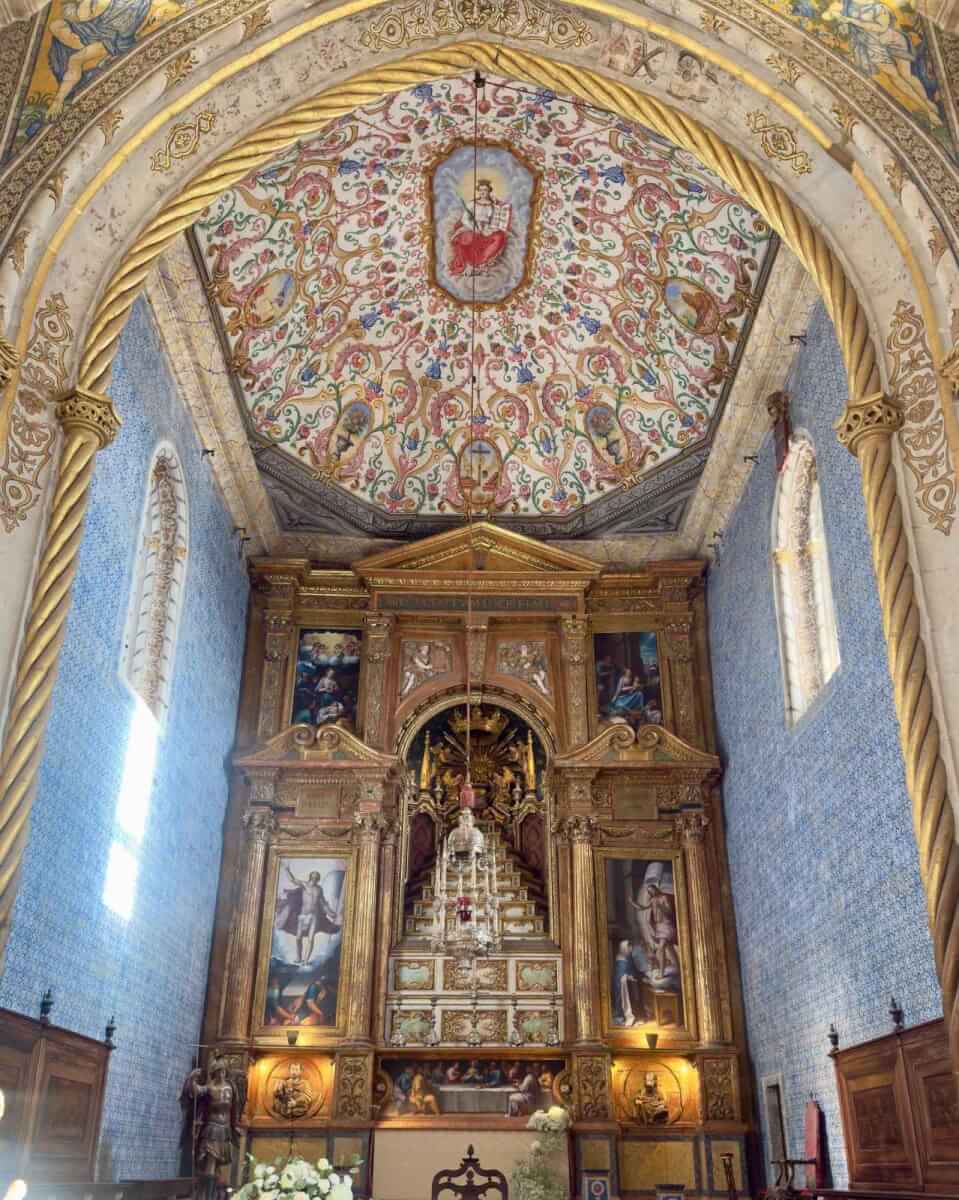
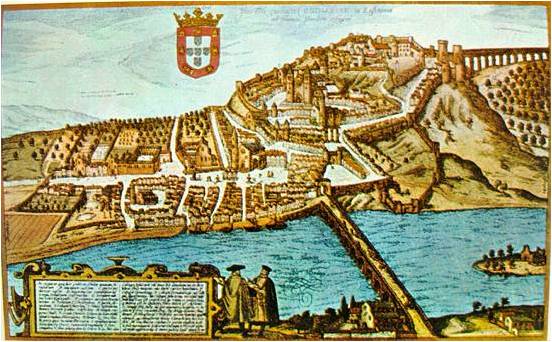
Among all the decisions that marked his reign, one would change the course of Coimbra’s history forever. In 1290, King Dinis signed the document Scientiae thesaurus mirabilis, establishing Portugal’s first Estudo Geral (General Studium), which was recognised in the same year by Pope Nicholas IV. This marked the birth of the country’s first university and one of the oldest in Europe.
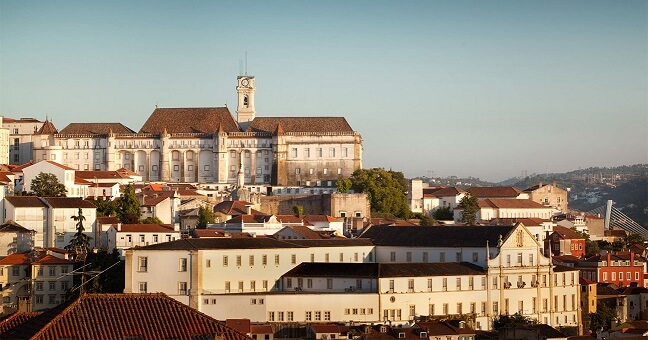
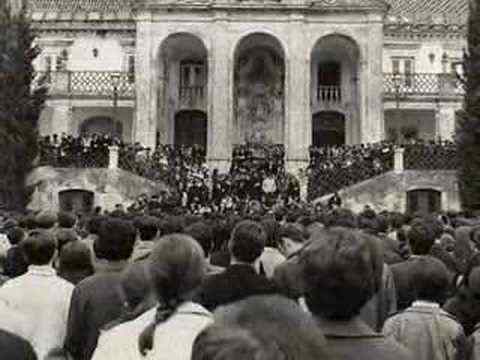
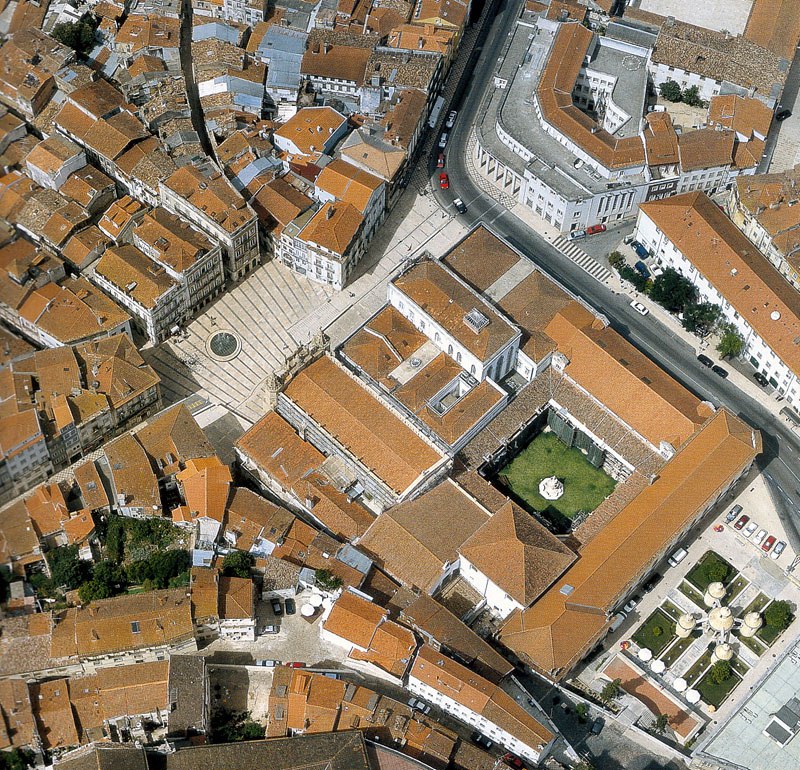
Although the institution was originally established in Lisbon and alternated between Lisbon and Coimbra for several centuries, it found its permanent home in Coimbra in 1537. From that moment on, the city gradually developed into Portugal’s leading university centre, making knowledge an inseparable part of its identity.
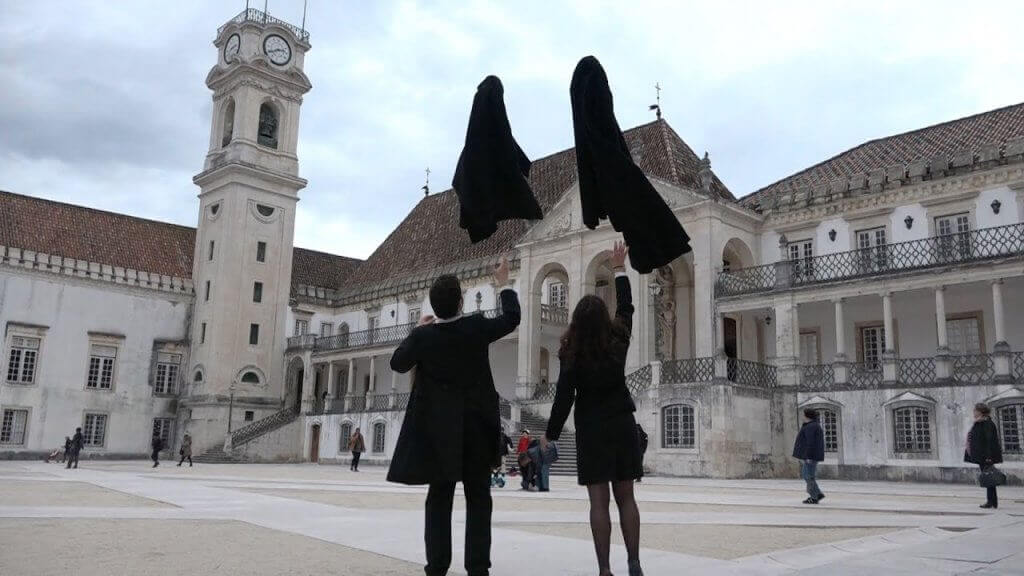
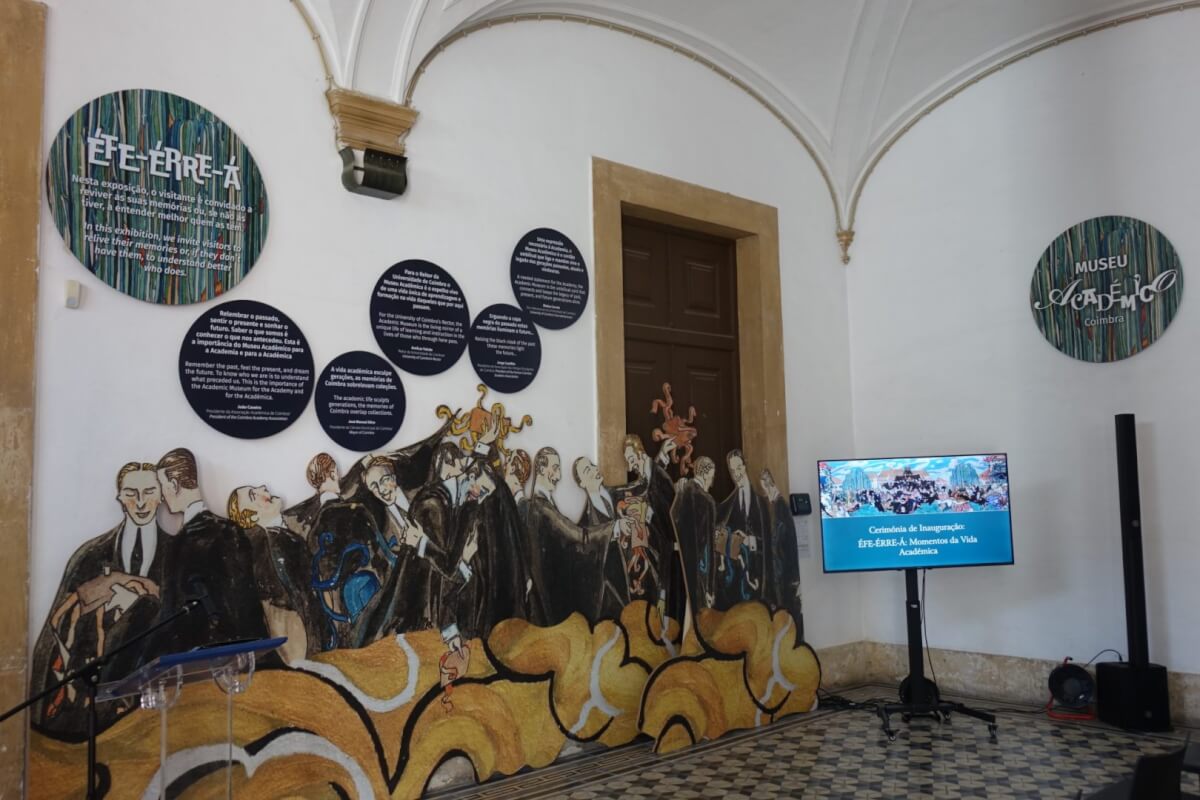
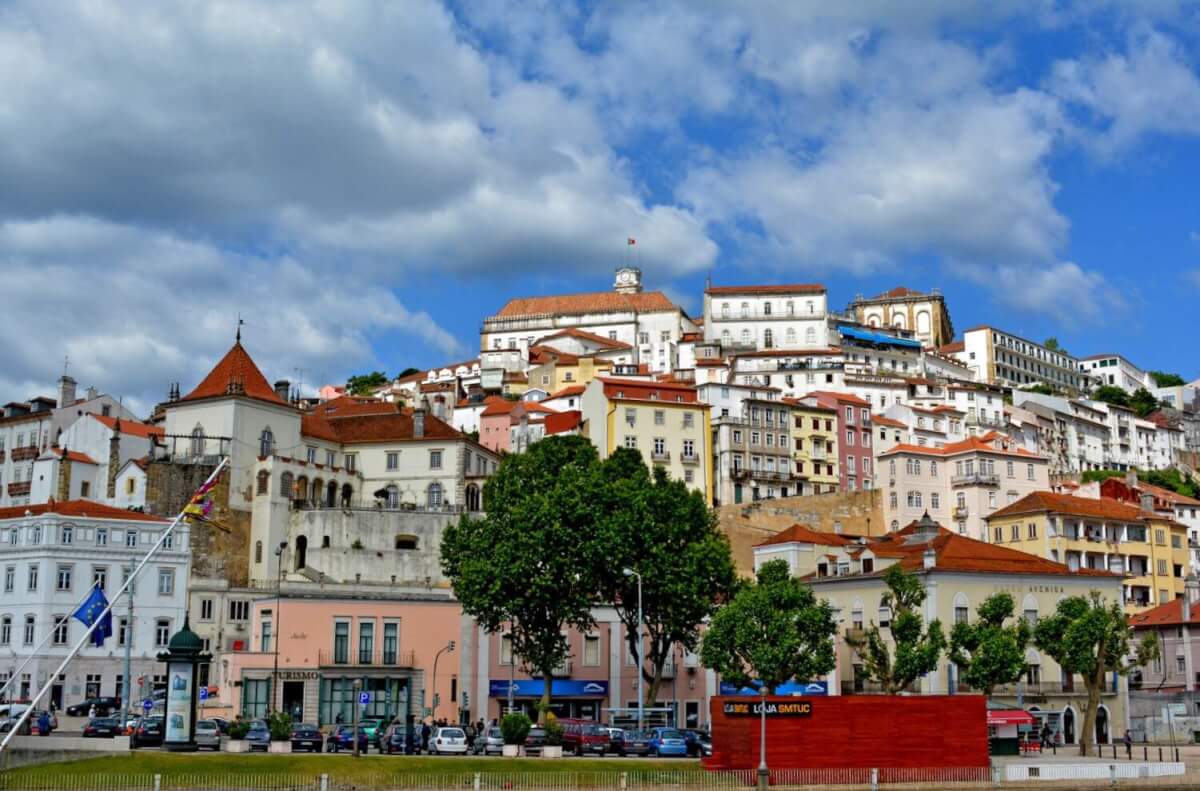
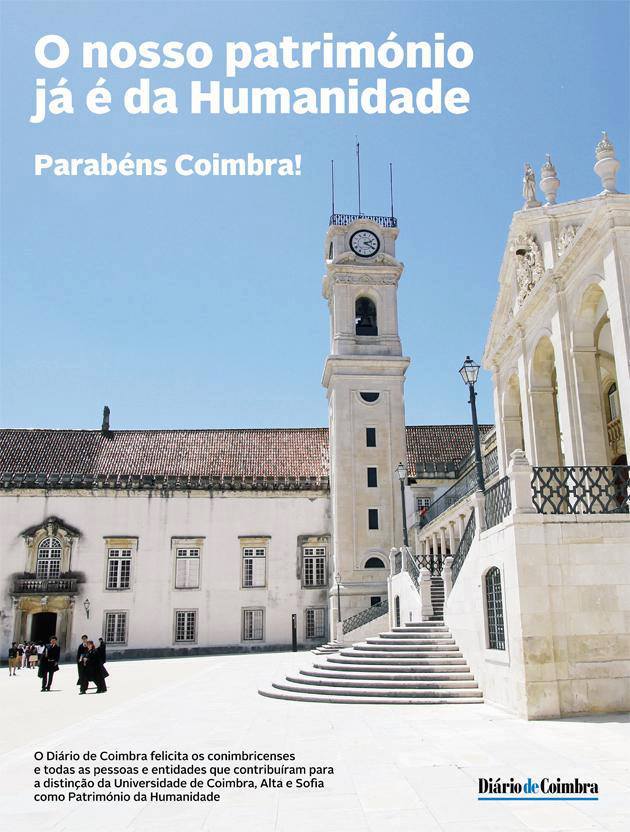
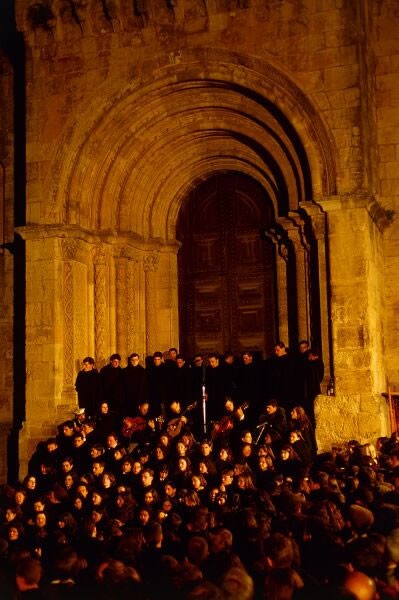
More than seven centuries later, it is difficult to imagine Coimbra without its University. The black academic robes, centuries-old traditions, serenades, students from around the world and its UNESCO World Heritage designation have all become defining symbols of the city. Although many of these traditions emerged centuries after King Dinis’ reign, they all trace their origins back to the decision he made in 1290 to establish higher education in Portugal.
The connection between King Dinis and Coimbra is also reflected throughout the city itself. His statue, standing beside the Paço das Escolas, continues to watch over generations of students as they enter the University whose origins can be traced back to his vision more than seven centuries ago. A discreet yet powerful symbol of the enduring bond between the king and Coimbra’s academic heritage.
Perhaps King Dinis’ greatest legacy, however, is invisible. It lives in the academic atmosphere that fills the streets of the Alta, in the balance between tradition and knowledge, and in Coimbra’s enduring ability to welcome students, researchers and visitors from around the world. More than simply founding a university, King Dinis helped shape the identity of a city that, more than 700 years later, continues to thrive on knowledge, culture and its vibrant student community.


















































































































































 Map and Directions
 Contacts