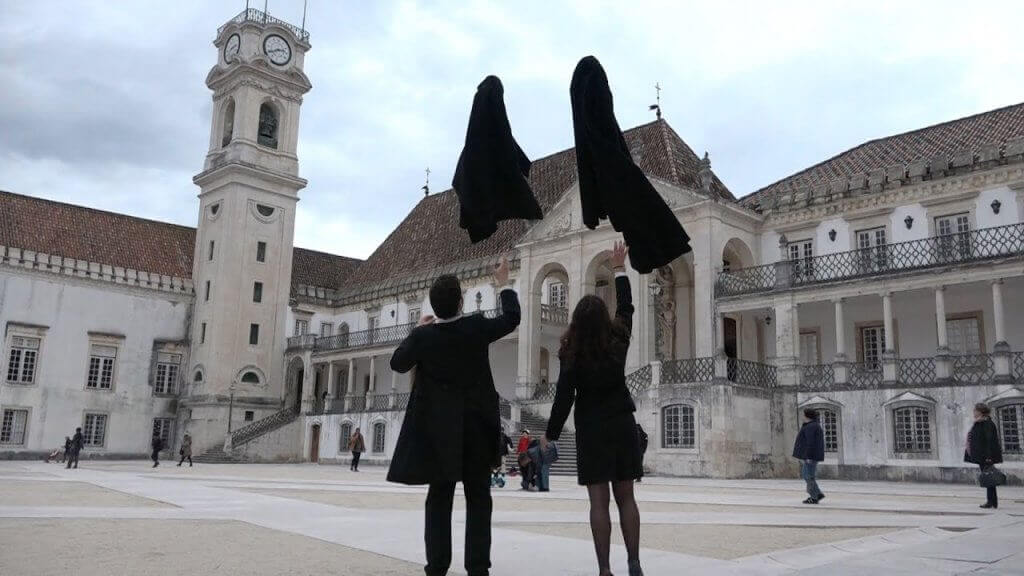
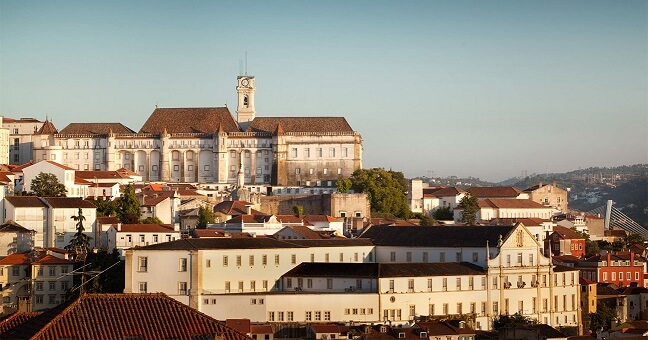
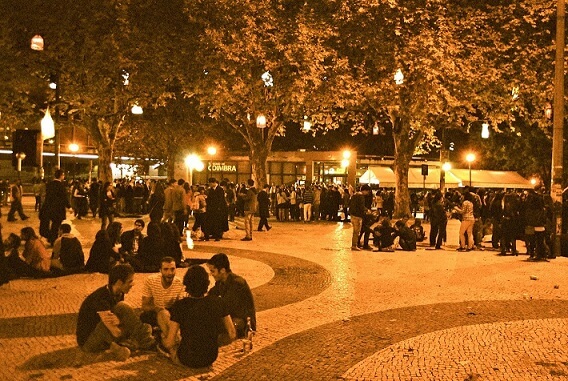
There is a time of year when Coimbra seems to change its rhythm. After the summer months, September brings thousands of students back to the city. The streets of the Alta come alive once again, and the University prepares to welcome a new generation. Little by little, the familiar black capes return to the cityscape, and student life once again fills the cafés, squares and streets that have welcomed students from across Portugal and around the world for centuries.
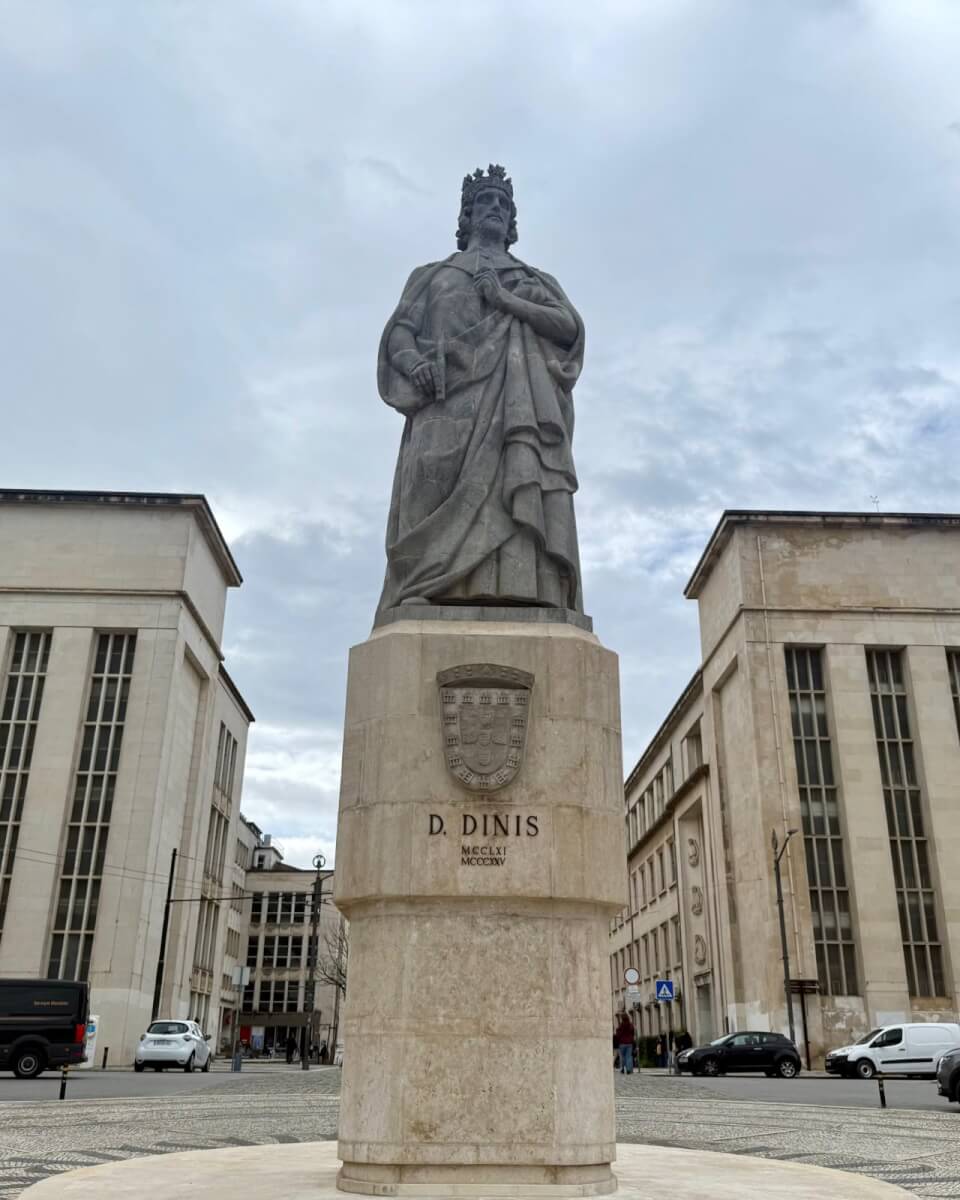
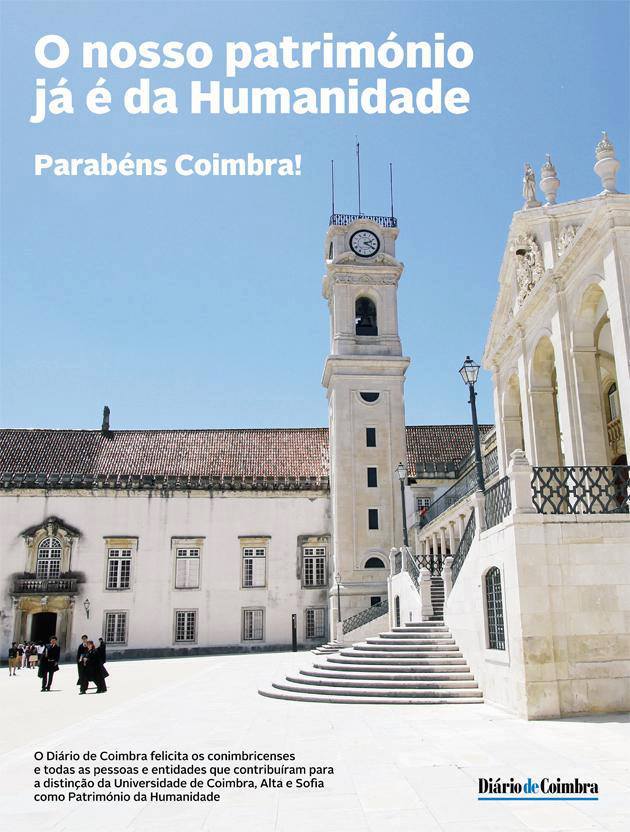
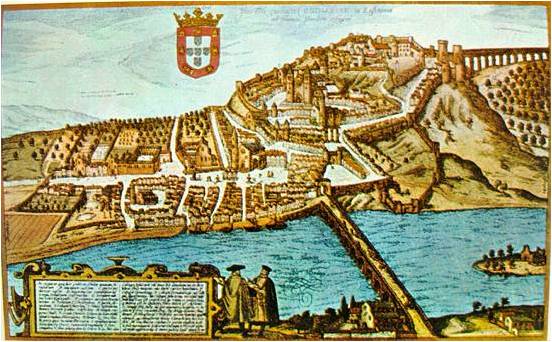
In a city so deeply shaped by its University, the start of a new academic year is much more than the beginning of a new term. It marks the return of one of the most important parts of Coimbra’s identity. Founded in 1290 by King Dinis, the University of Coimbra is the oldest in Portugal and one of the oldest in Europe. After moving between Lisbon and Coimbra several times, it settled permanently in the city in 1537 and, ever since, generations of students have helped shape the Coimbra we know today.
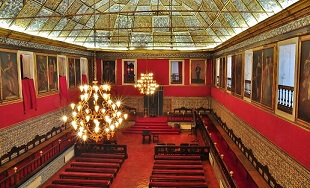
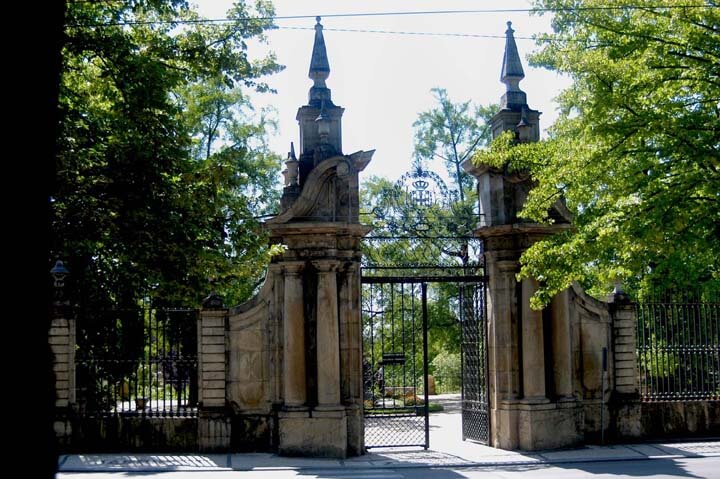
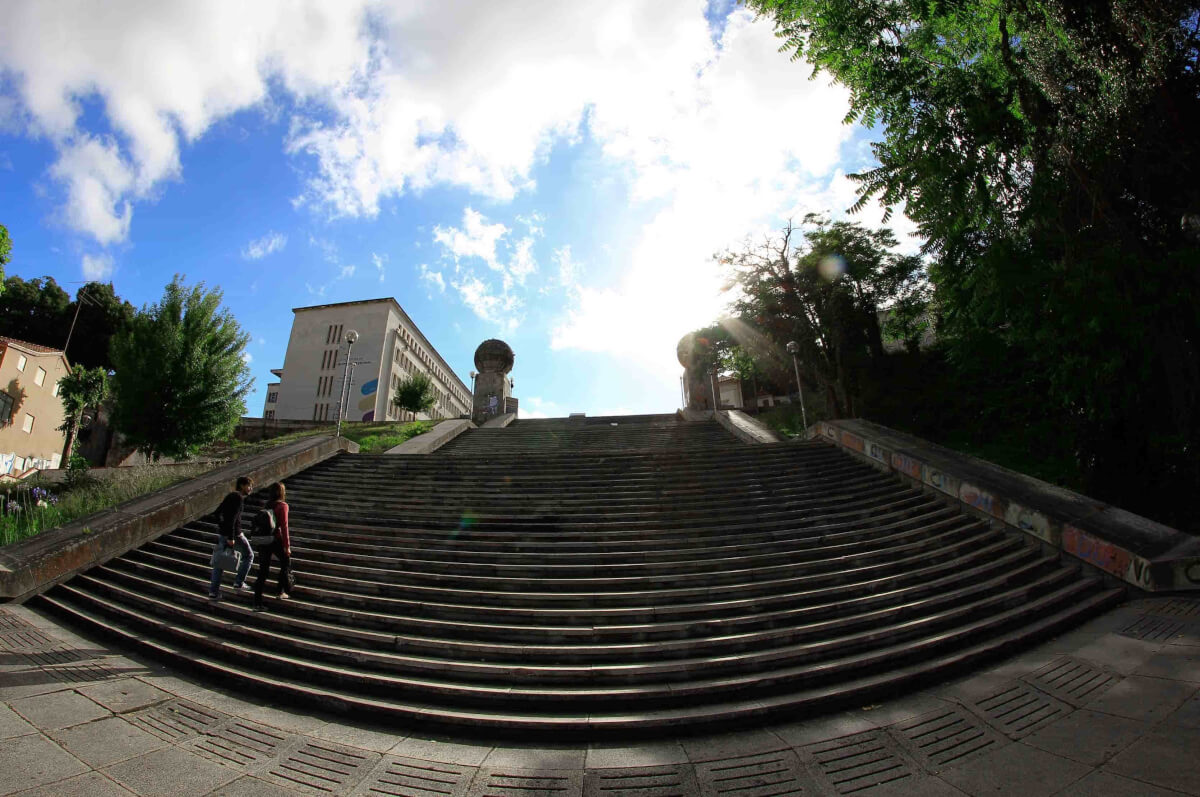
But to truly understand this connection, it is not enough to enter the Paço das Escolas or visit the Joanina Library. The University extends far beyond its walls. It is present in the streets of the Alta, in the student Repúblicas, in cafés and traditional taverns, on the Monumental Stairs climbed by students every day, and in traditions that continue to be passed down from one generation to the next.
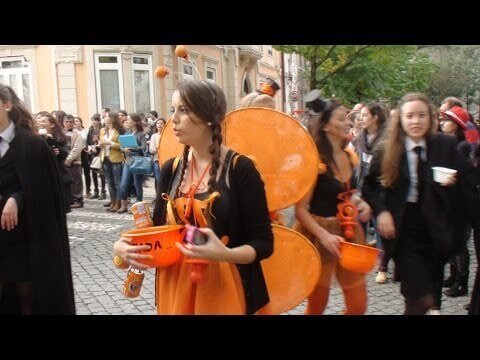
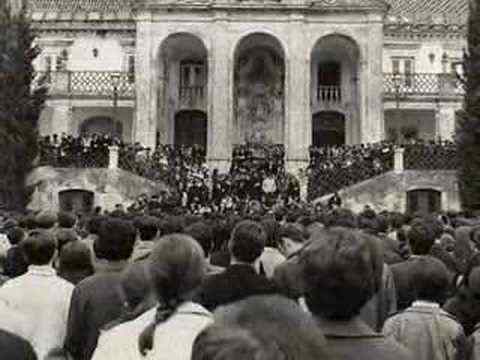
It is also in the streets that we encounter one of the strongest symbols of this academic heritage: the traditional academic dress. Dressed in black, with their capes over their shoulders, students have become part of Coimbra’s distinctive cityscape. University life continues to be marked by traditions, from the Festa das Latas e Imposição de Insígnias, associated with the arrival and integration of new students, to the Queima das Fitas and the Rasganço, linked to the completion of their academic journey.
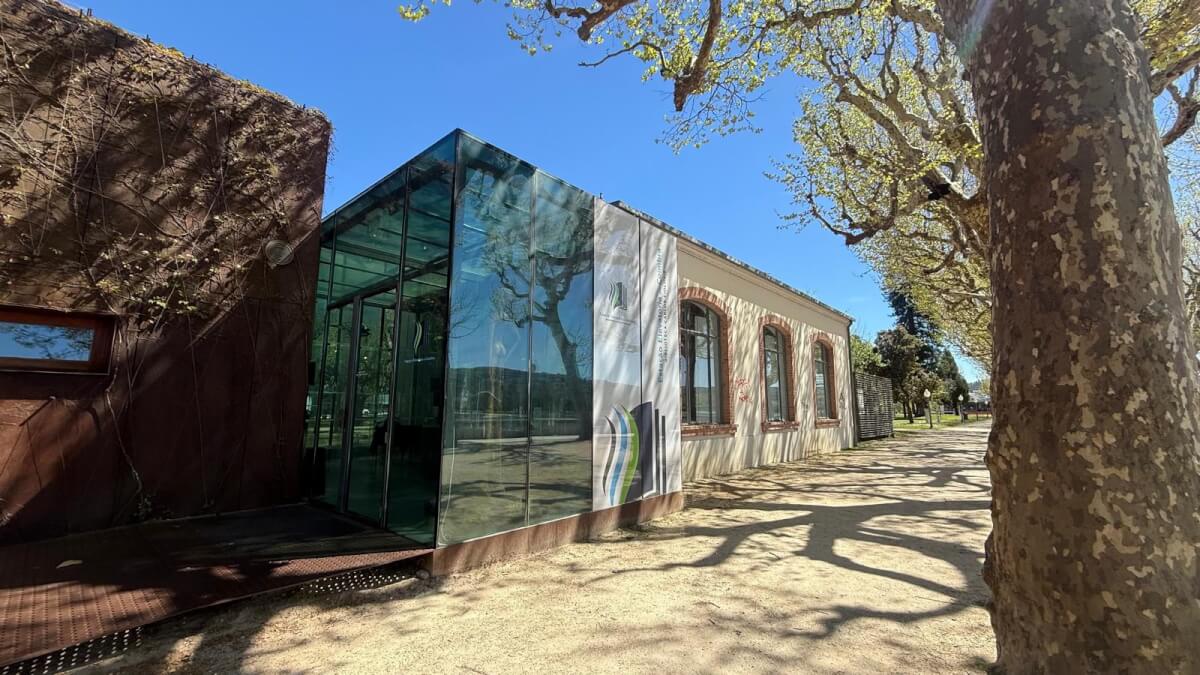
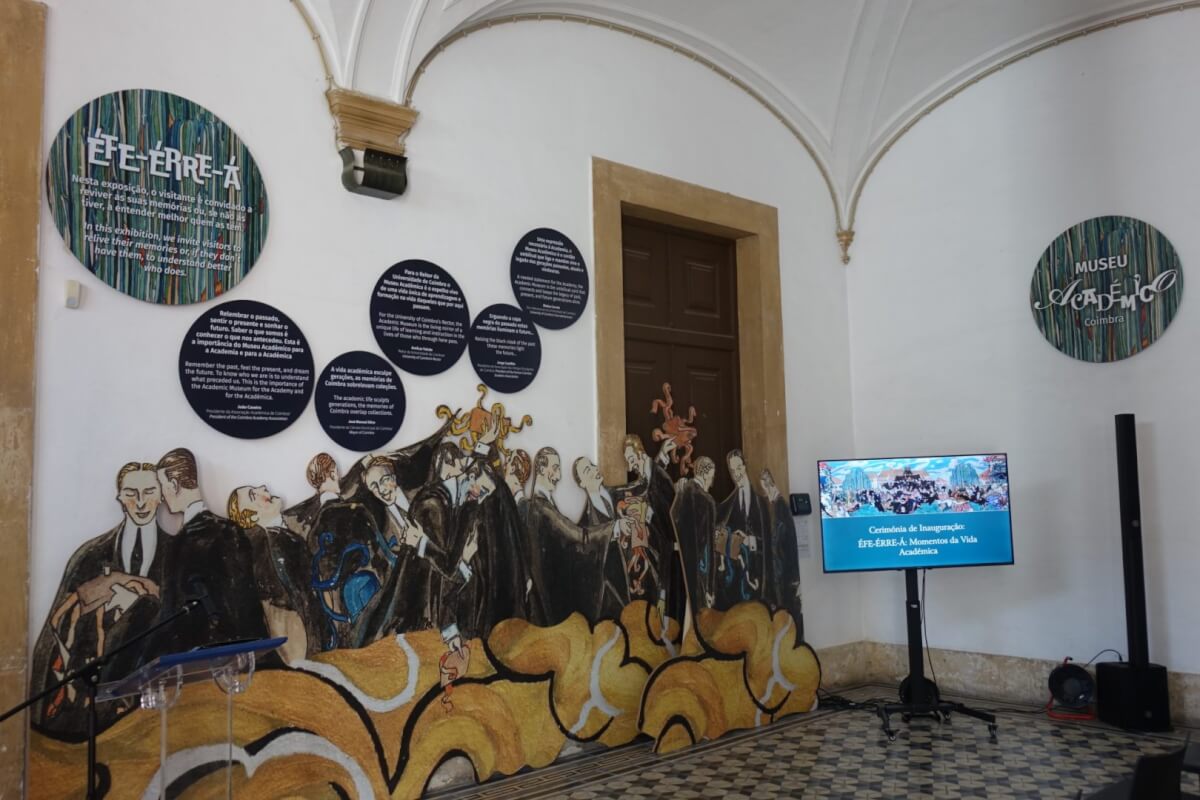
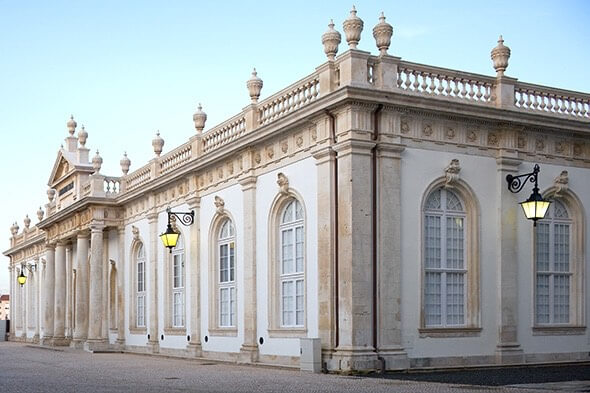
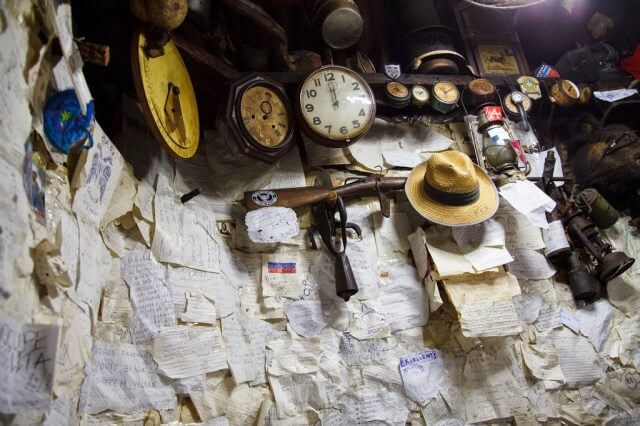
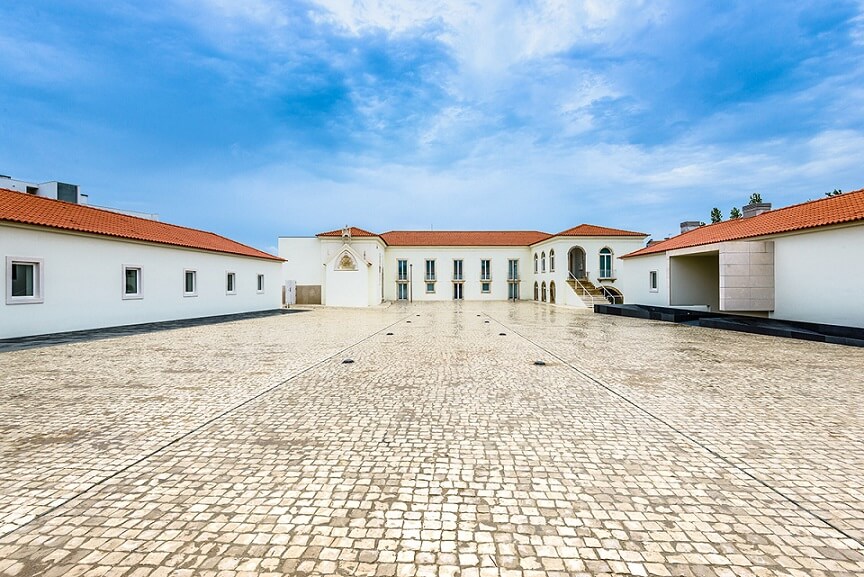
For a closer look at this heritage, the Academic Museum is also well worth a visit. Its exhibits explore different aspects of student life in Coimbra, from the atmosphere of the Repúblicas and the Queima das Fitas to classrooms and music, bringing together memories that help visitors understand the unique relationship between the University, its students and the city.
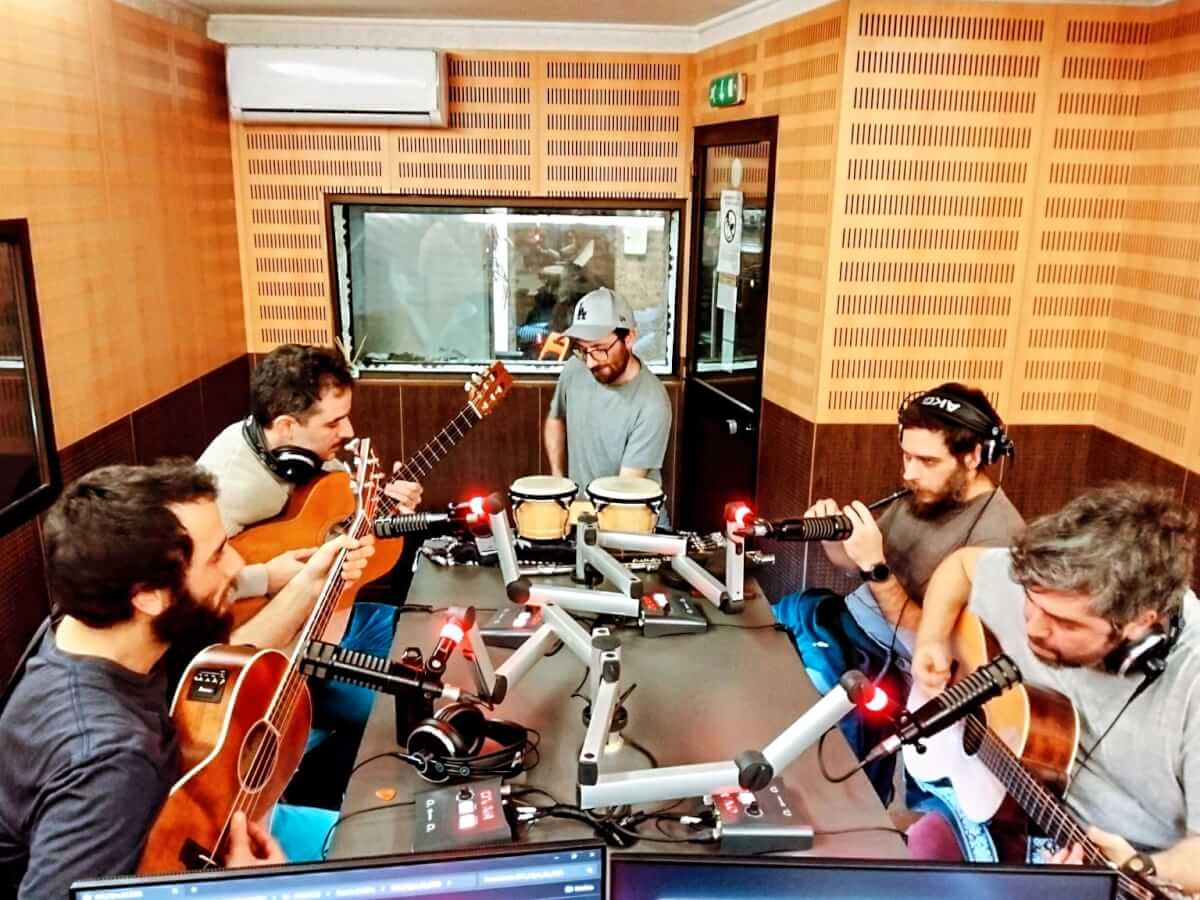
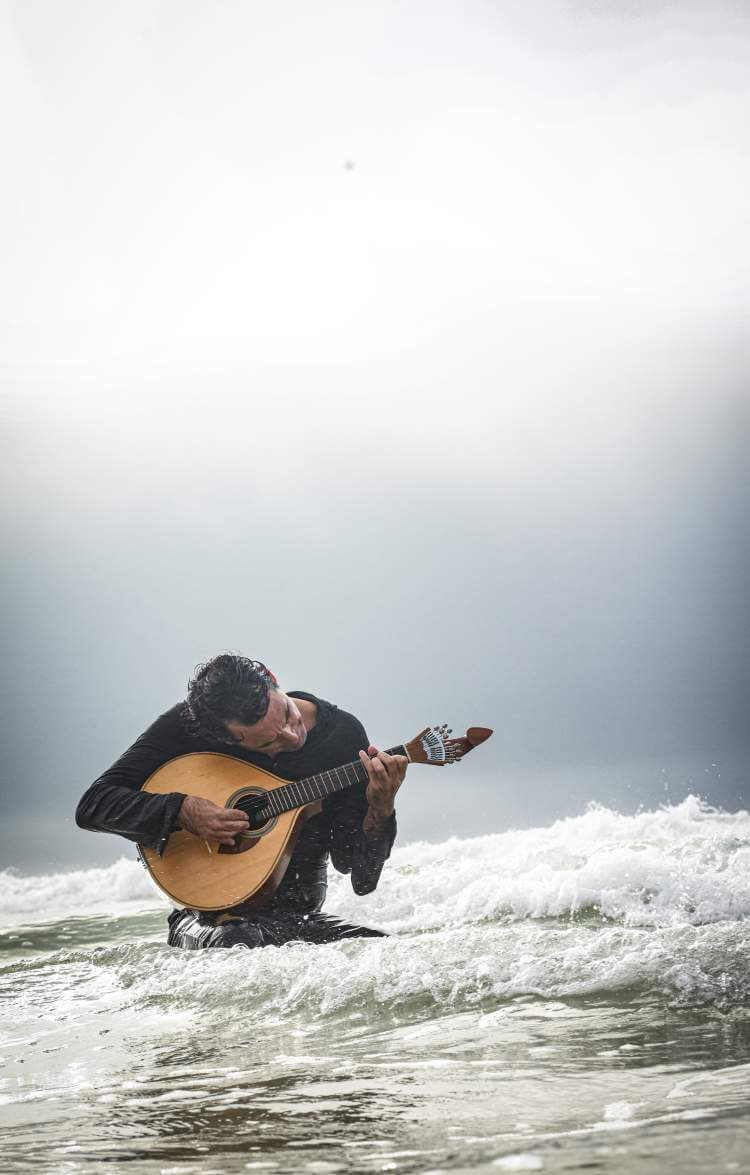
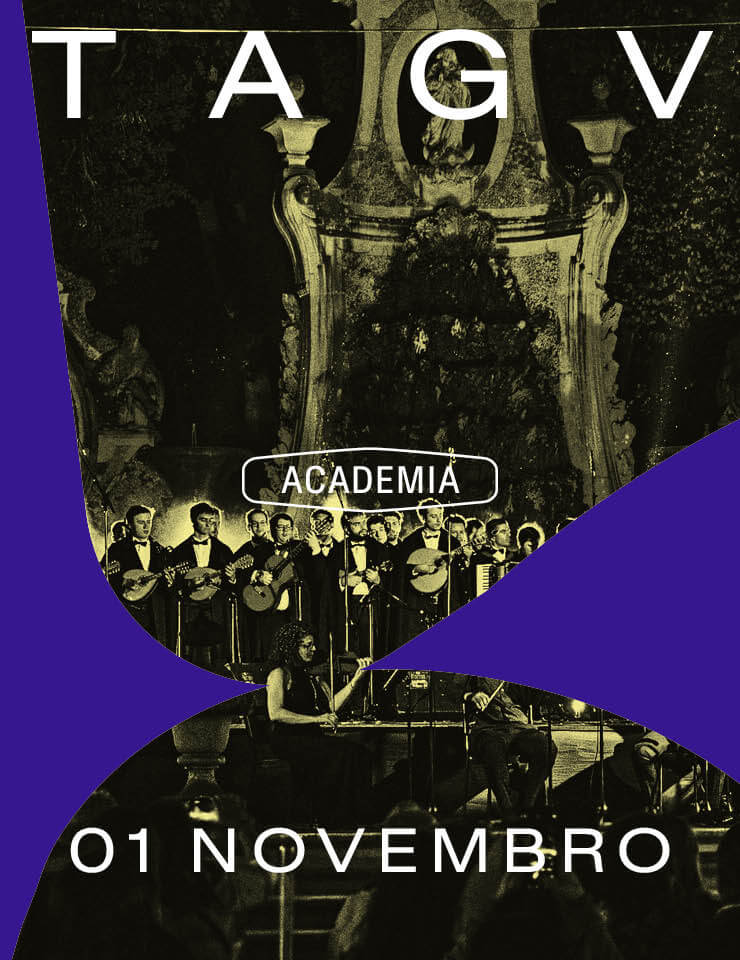
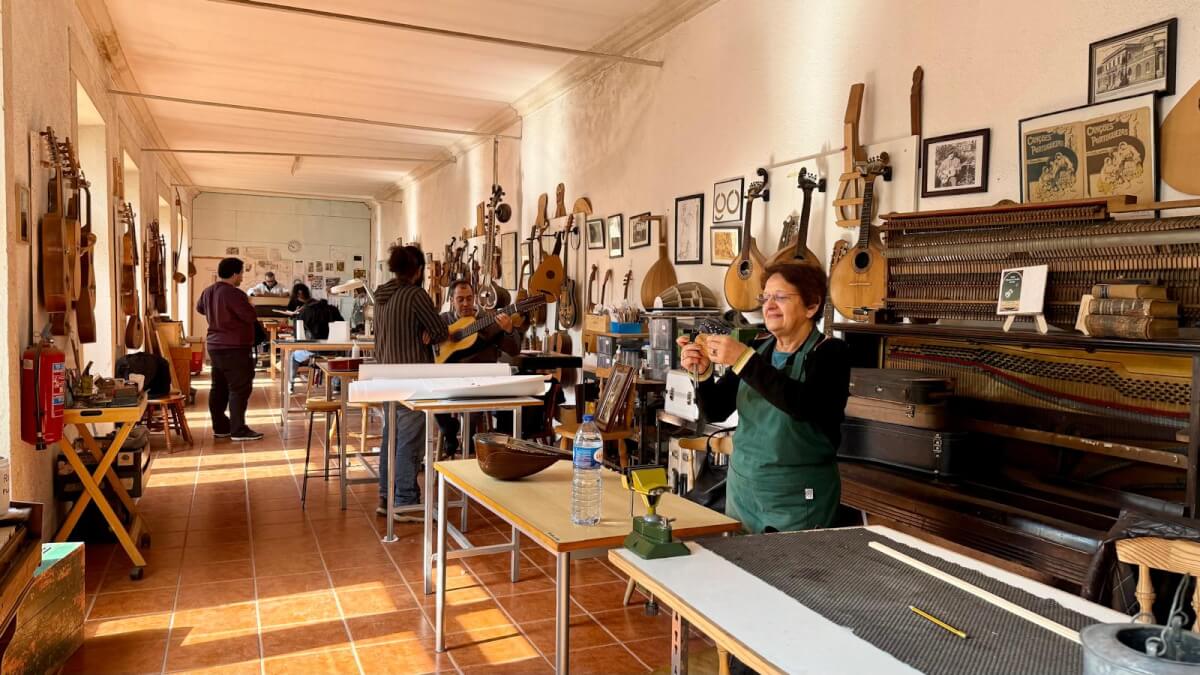
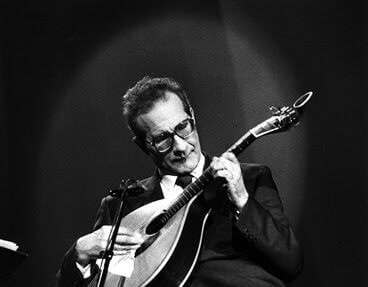
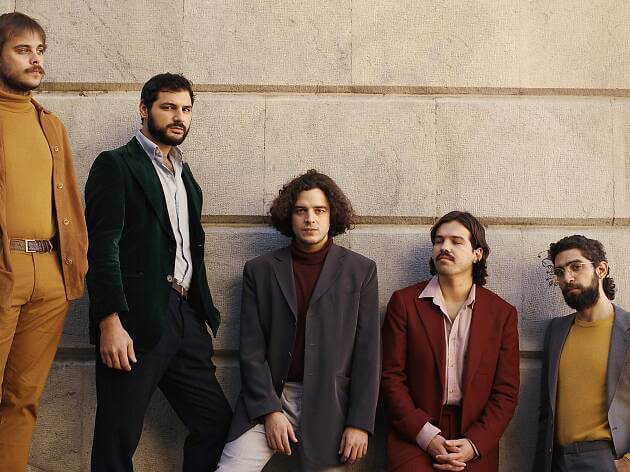
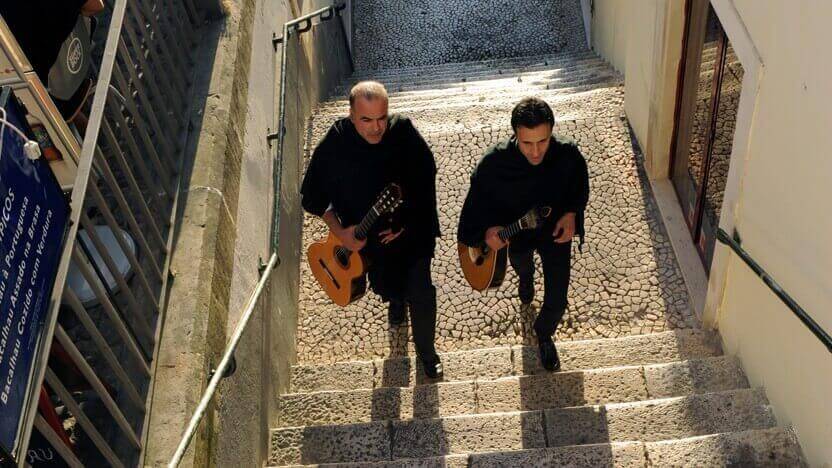
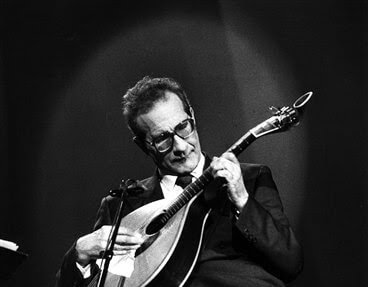
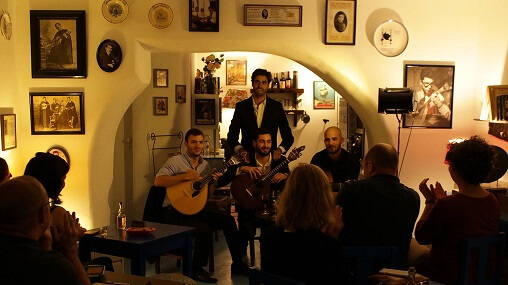
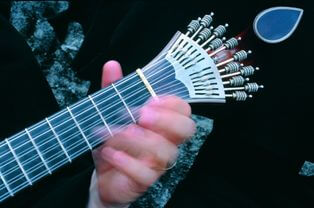
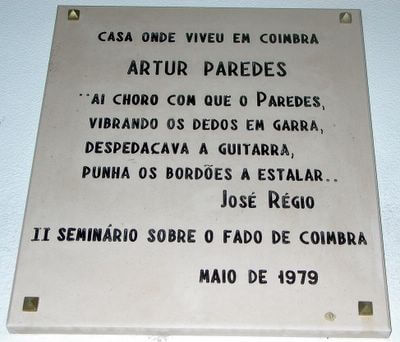
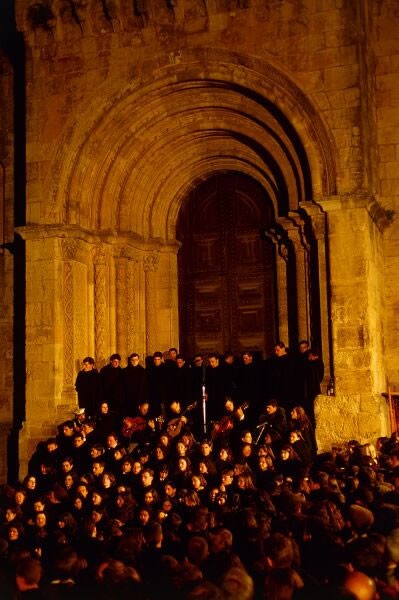
Some traditions can be seen, while others can be heard. Fado de Coimbra, accompanied by the unmistakable sound of the Coimbra guitar, developed in close connection with university life and became one of the city’s most distinctive cultural expressions. From serenades to evenings of fado, music and tradition also tell the story of generations who found in these songs a way to sing about Coimbra, love, farewells and student life itself.
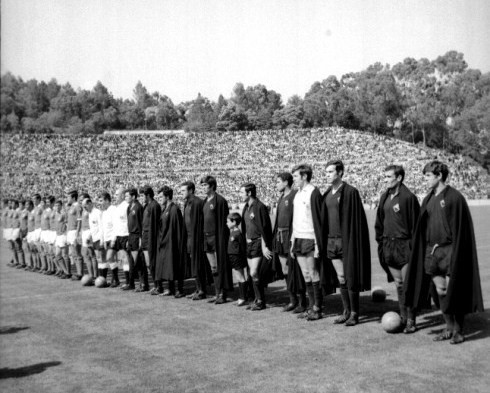
Even football tells part of this story. Académica was born out of the Associação Académica de Coimbra (AAC), the University’s historic student association, and for decades many of its players were also university students. The team’s black kit, a reference to traditional academic dress, became one of the most recognisable symbols of the Briosa, reflecting a connection between football, the University and student life that has given the club a unique identity in Portuguese sport.
Perhaps this is what makes Coimbra so distinctive. Here, the University does not exist only within its buildings. It is part of the way the city lives, sings, celebrates and comes together. It can be found in the black capes descending from the Alta, in the Repúblicas, in Fado, in Académica and in the memories that thousands of students take with them when, a few years later, the time comes to leave.
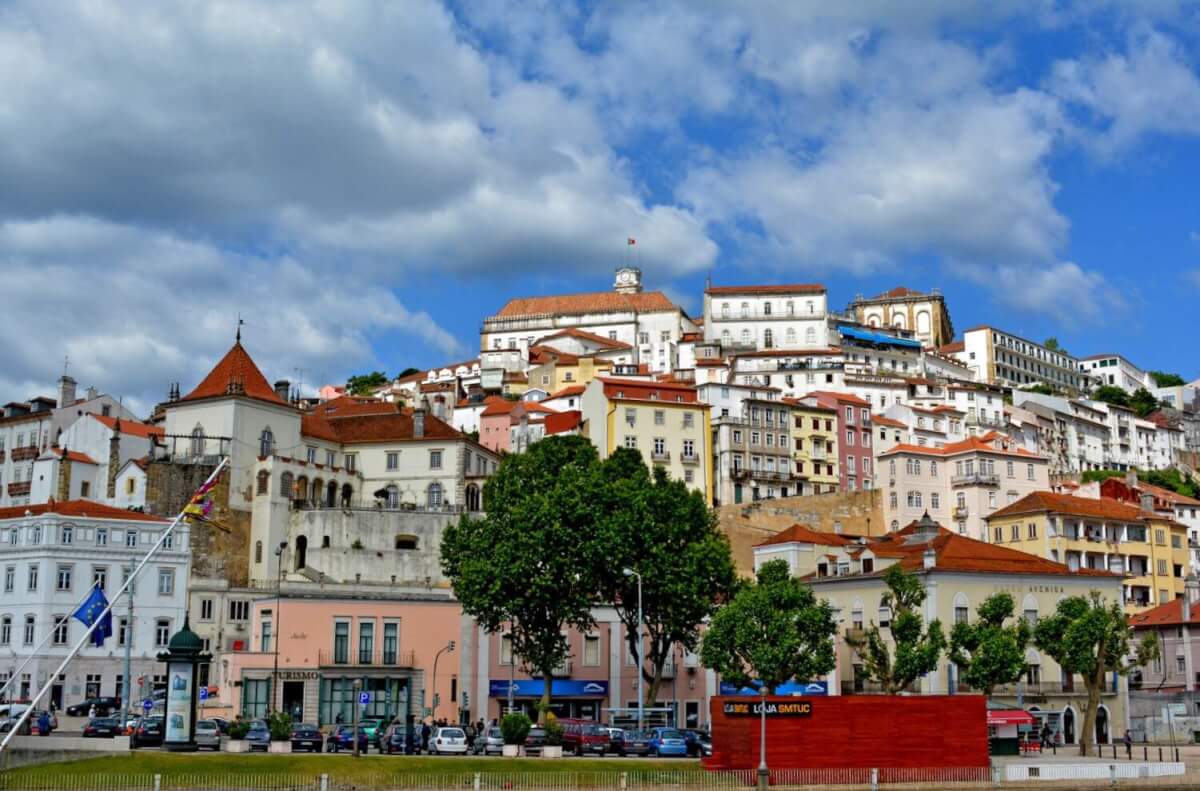
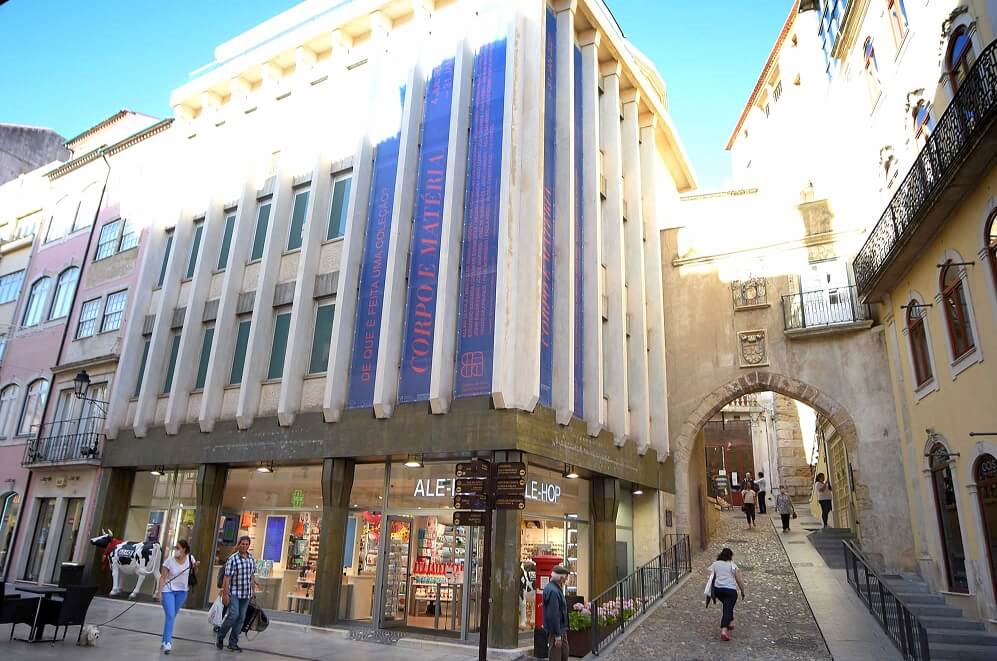
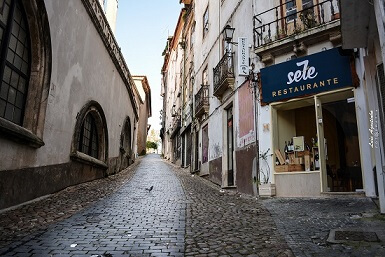
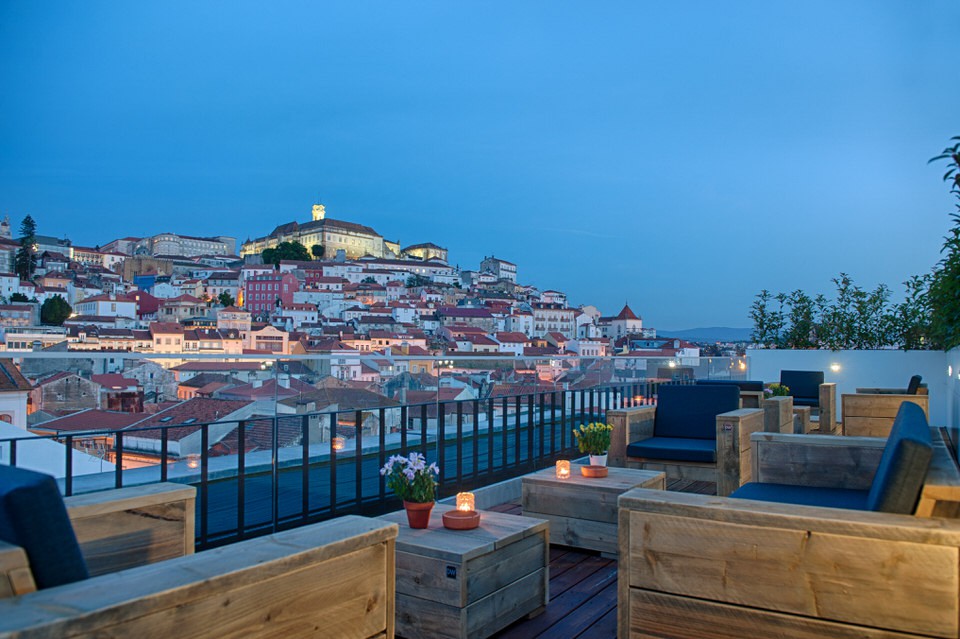
For those visiting Coimbra, walking through the Alta at the beginning of the academic year is a particularly interesting way to understand this relationship between the University and the city. From Hotel Oslo Coimbra, you can walk uphill from the Baixa to the University, following streets where student life is part of the everyday atmosphere, past cafés, Repúblicas and monuments that tell different chapters of the same story.
In September, it all begins again. Some arrive in Coimbra for the first time, while others return for another year. The streets regain their academic rhythm, and the traditions encountered in the city’s monuments come alive once again beyond their walls. After all, to understand Coimbra is also to understand its students, who for more than seven centuries have arrived from different places, become part of the city, created memories and, when the time comes to leave, taken a little piece of Coimbra with them.














































































































 Map and Directions
 Contacts