Between the slopes descending towards the Mondego River, away from the faster pace of Coimbra’s city centre, there is a place where silence is broken only by the wind moving through the treetops. Vale de Canas National Forest is one of the city’s most unique natural spaces, hiding among its trails and viewpoints a history shaped by biodiversity, forestry heritage, and landscape.
Covering around 16 hectares, the forest lies between Santo António dos Olivais and Torres do Mondego and dates back to the 16th century, when it was known as the “King’s Forest” and belonged to the Portuguese Crown. Originally composed mainly of native vegetation, Vale de Canas gradually became, throughout the 19th century, an important centre for botanical and forestry experimentation. In 1867, it was acquired by the State to provide timber for hydraulic works linked to the Choupal National Forest, at a time when Coimbra was attempting to control the frequent flooding of the Mondego River.
Between 1866 and 1870, under the direction of Manoel Afonso D’Esgueira and with the collaboration of the Botanical Garden of the University of Coimbra, the forest was repopulated with native and exotic species brought from several European countries and Australia. It was during this period that dozens of eucalyptus species arrived, many of which still define the landscape today.
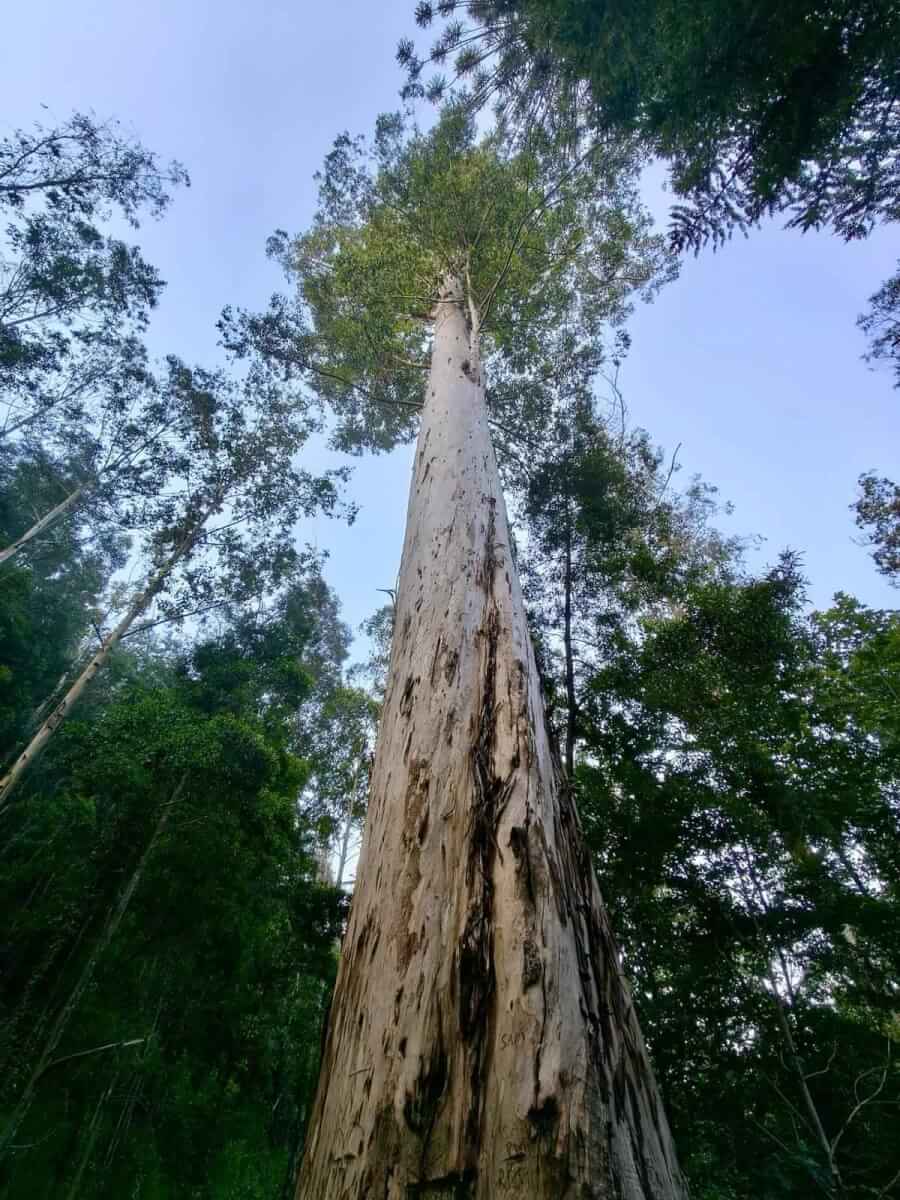
It is here that one of the most remarkable elements of Coimbra’s natural landscape can be found: a specimen of Eucalyptus diversicolor, commonly known as the Karri tree. Standing at around 75 metres tall, it is considered the tallest tree in Europe. Towering above the surrounding vegetation, it has become one of the forest’s most striking landmarks.
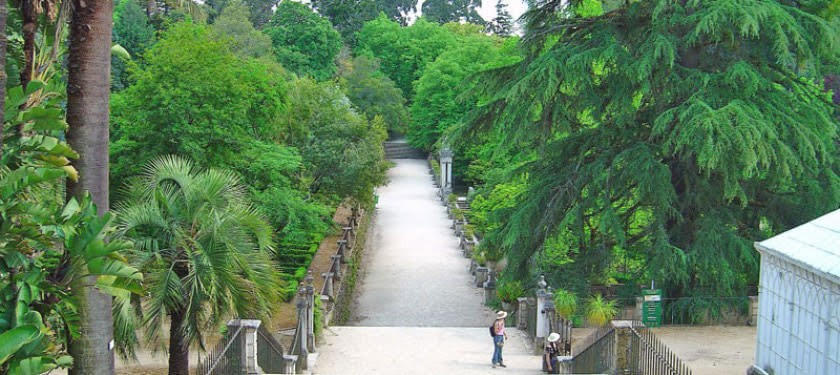
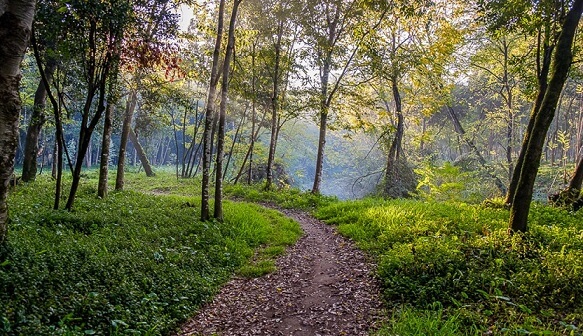
But Vale de Canas is much more than its giant tree. Along the walking trails, visitors encounter oaks, chestnut trees, cork oaks, cedars, plane trees, and dozens of other species that turn this space into a true open-air arboretum. Wildlife is also present, with species such as the Iberian frog, the Lusitanian salamander, lizards, and several forest birds.
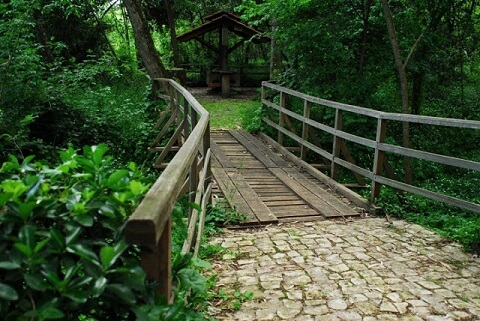
The forest includes small interpretive trails, picnic areas, a viewpoint overlooking the hillside, and hidden corners where silence and the scent of vegetation create a rare sense of distance from the city.
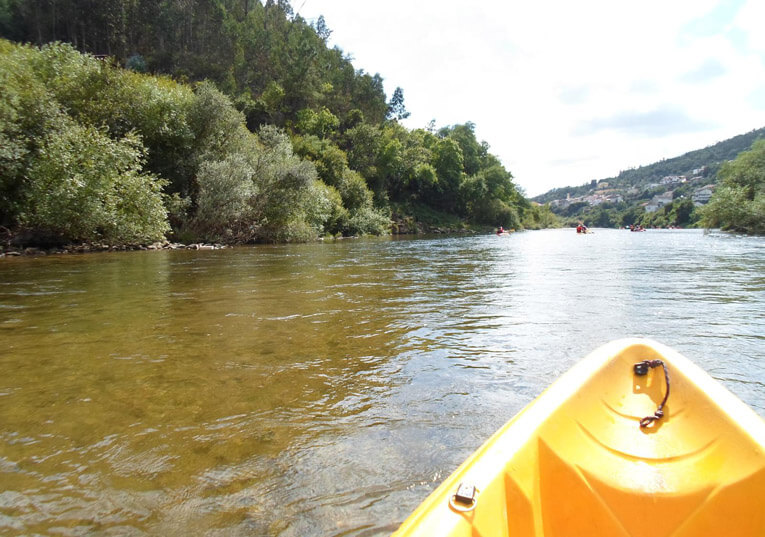
For those who enjoy hiking, there are marked routes such as the PR1 CBR, a circular interpretive trail of around 1.1 km, and the PR2 CBR, which connects Vale de Canas Forest to the Palheiros-Zorro River Beach, crossing the hillside towards the Mondego. Along the way, visitors encounter some of the region’s most impressive trees, natural viewpoints, and landscapes that alternate between forest, valley, and river.
Despite being close to the centre of Coimbra, Vale de Canas seems to belong to a different pace. Far from the noise of the city, the forest invites visitors to slow down, breathe deeply, and discover one of Coimbra’s quietest corners. Here, the city slowly disappears among giant trees, shaded trails, and the quietness of the forest.









































































































































































 Map and Directions
 Contacts