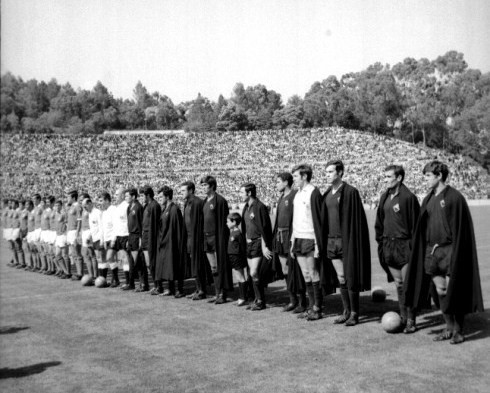
When talking about Coimbra’s culture and traditions, it is impossible not to mention one of the city’s most iconic symbols: Académica. More than just a football club, the “Organismo Autónomo de Futebol da AAC” has an identity deeply connected to the University of Coimbra, student life, and the city’s own history.
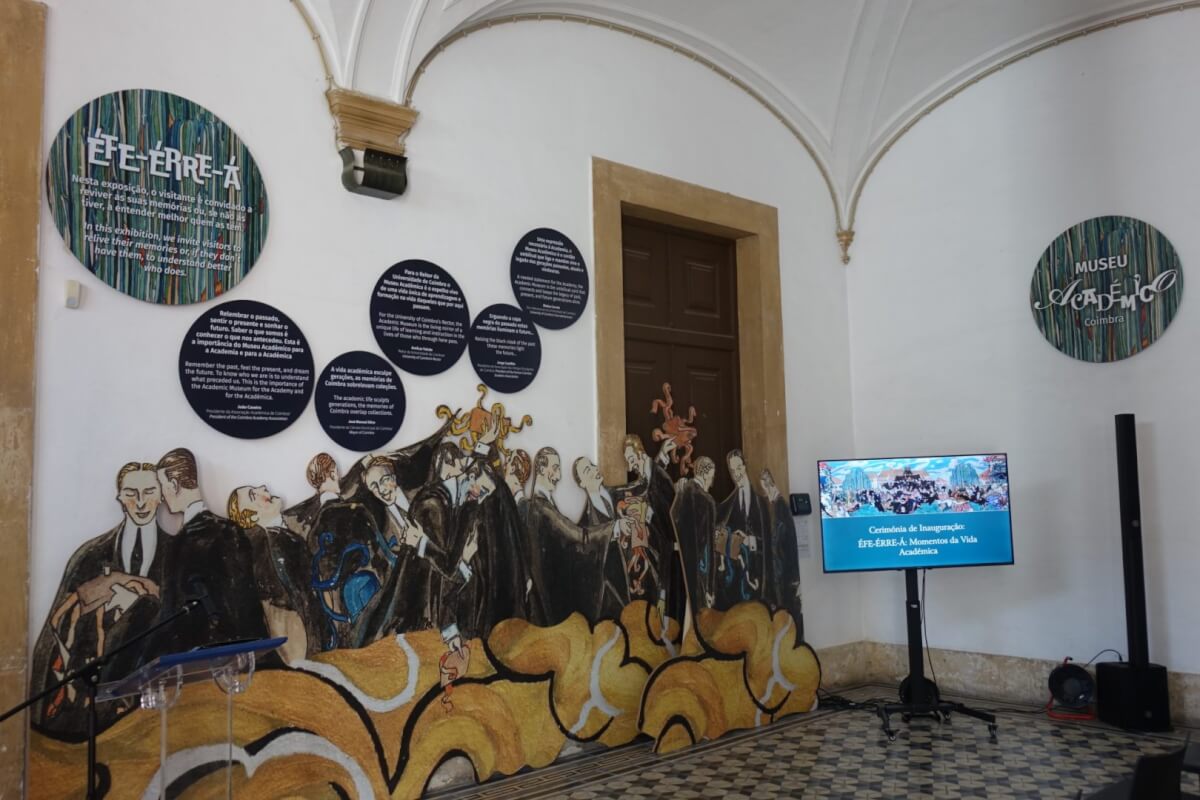
Known as “A Briosa” or the students’ team, Académica has worn black since its origins, a direct reference to the traditional academic cape and gown. For decades, the team was made up of university students, becoming a unique case in Portuguese sport where football, academia, and civic engagement naturally came together.
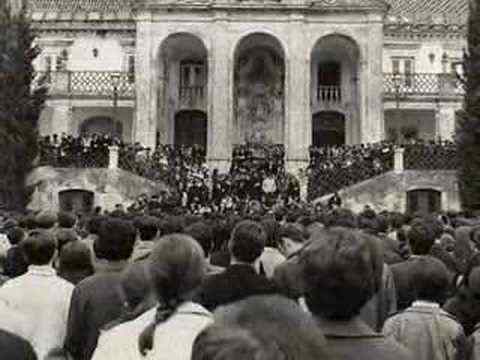
Académica’s connection to the student resistance movement became especially significant during the 1960s, under Portugal’s dictatorship. During the Academic Crisis of 1969, players and students turned football into a platform for political protest and the defence of freedom, bringing the spirit of resistance that defined the city onto the pitch. Through a series of symbolic acts of protest, the team became one of the most visible faces of the student movement in a country still living under censorship.
Académica’s success is also reflected on the pitch, ranking among the ten clubs with the most seasons played in Portugal’s top division. Its history is marked by unforgettable sporting achievements. In 1939, the club won its first Portuguese Cup, one of the defining moments in its history. The next great chapter came in 2012, when Académica lifted the trophy once again after a 73-year wait, bringing thousands of supporters onto the streets of Coimbra in celebrations that remain etched in the city’s memory.
Throughout the 21st century, Académica has experienced different competitive realities, competing in the Primeira Liga, Segunda Liga, and, more recently, making its first appearance in Liga 3.
In May 2026, the club secured promotion back to Liga Portugal 2. In front of a packed stadium and an unforgettable atmosphere, a new attendance record for Liga 3 was set, creating one of the most emotional moments for supporters in recent years. Despite sporting ups and downs and the financial challenges that have marked its recent history, Académica continues to hold a special place in Coimbra’s identity.
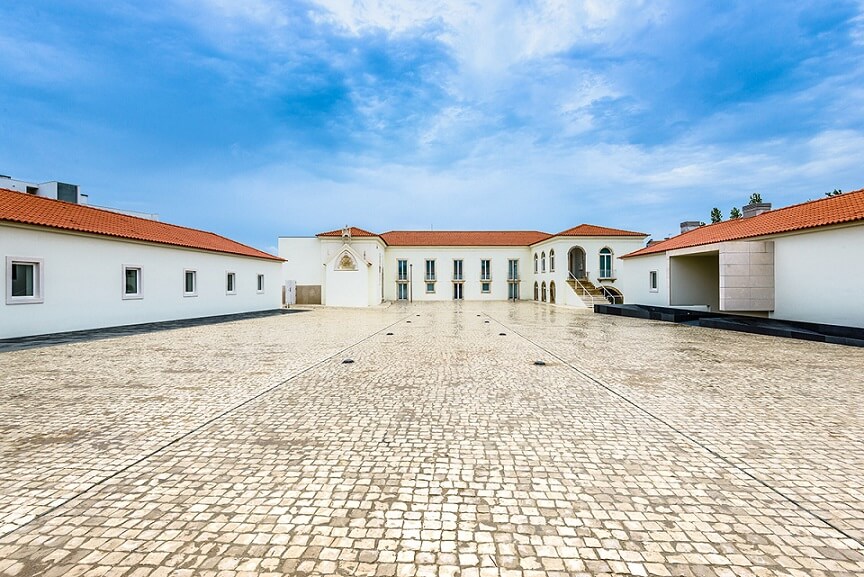
Today, the club plays at the Estádio Cidade de Coimbra, inaugurated in 2003 ahead of UEFA Euro 2004. Located just a few minutes from the historic city centre, the stadium has become one of Coimbra’s main sporting venues, hosting not only football matches but also concerts, cultural events, and international competitions.
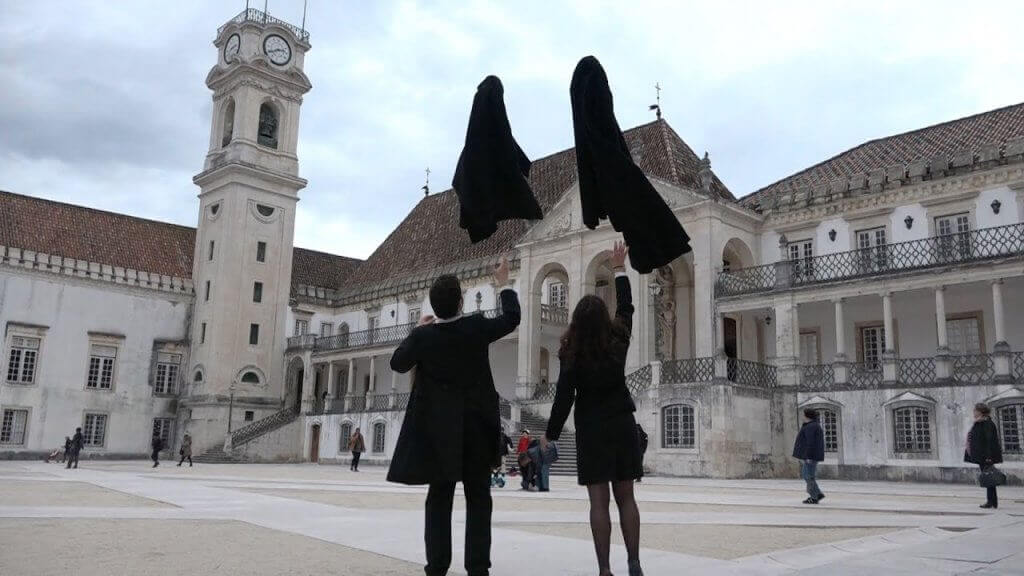
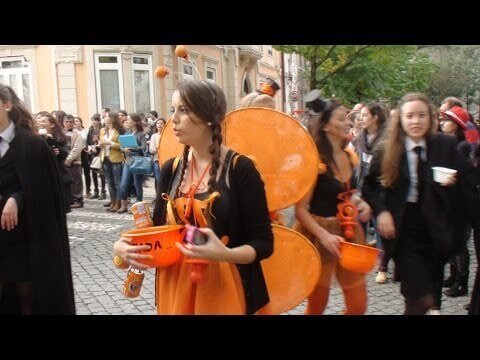
On match days, especially for the biggest fixtures, Coimbra dresses in black. Among students wearing traditional academic attire, Académica scarves, and chants echoing through the stands, a tradition passed down from generation to generation remains alive, from parents to children and from student mentors to freshmen. Académica has never been just a football club. It is part of Coimbra’s identity, its academic heritage, and the city’s collective memory. A bond that is renewed with every new generation of students and continues long after their years at the University of Coimbra.
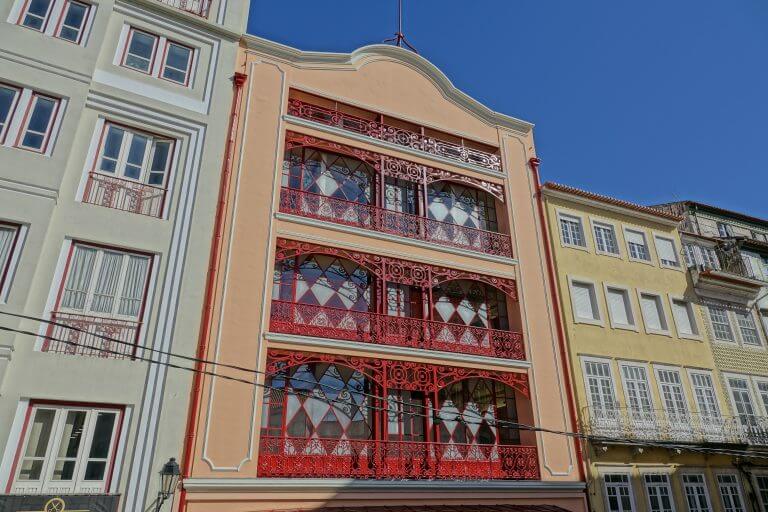
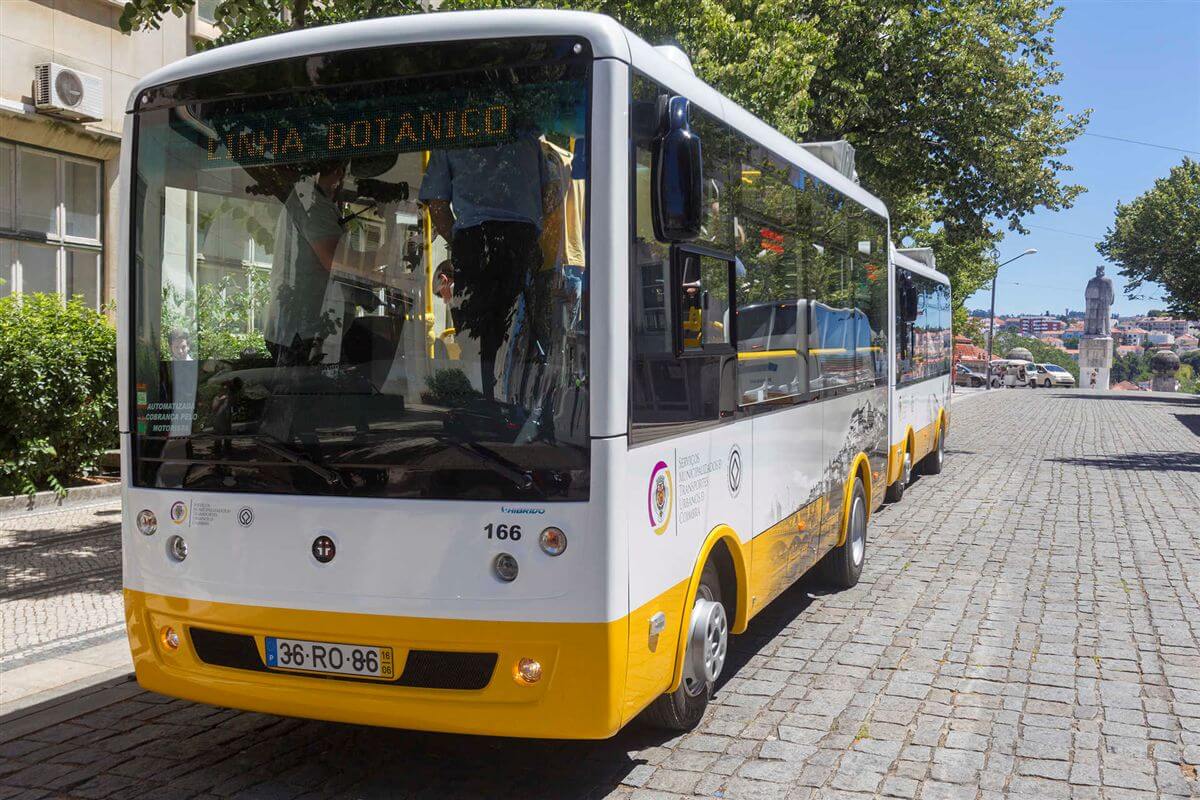
Whether you want to watch Académica play or visit one of Portugal’s most iconic football stadiums, the Estádio Cidade de Coimbra is just a few minutes from Hotel Oslo Coimbra. It is only around 7 minutes away by car or approximately 6 minutes by Metrobus.










































































































































 Map and Directions
 Contacts