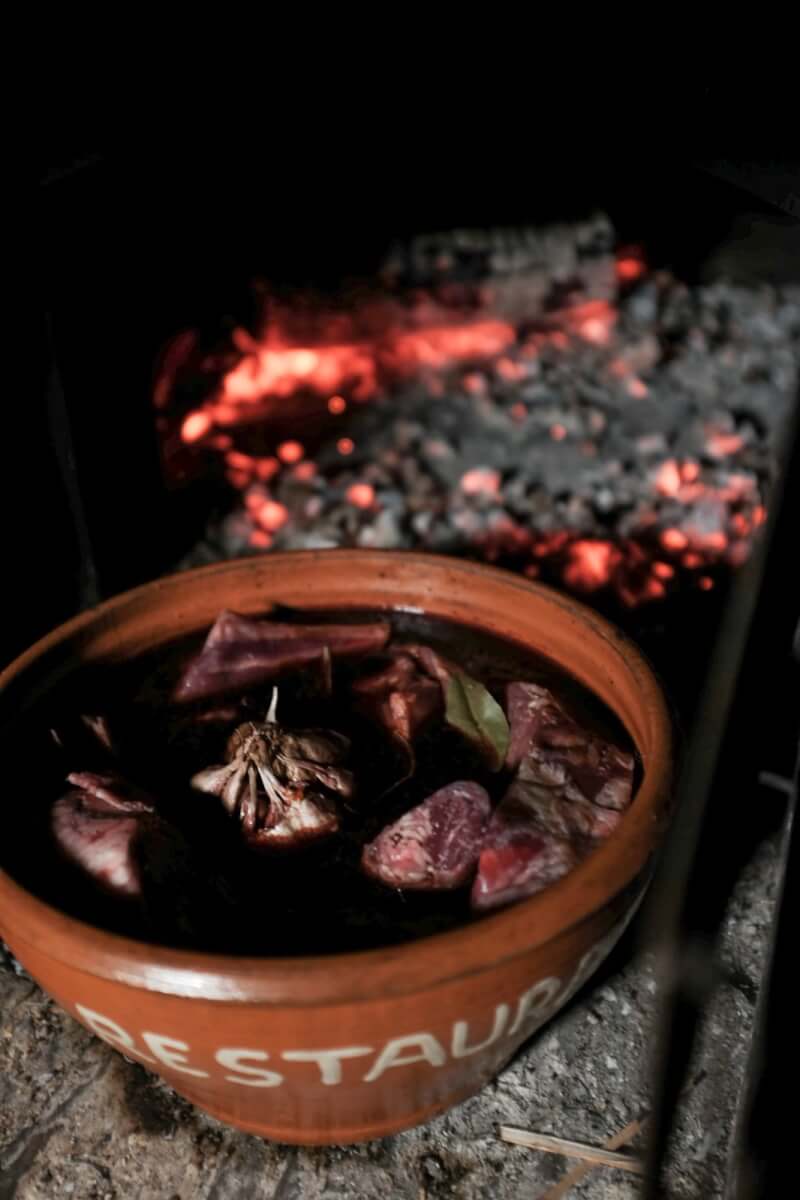
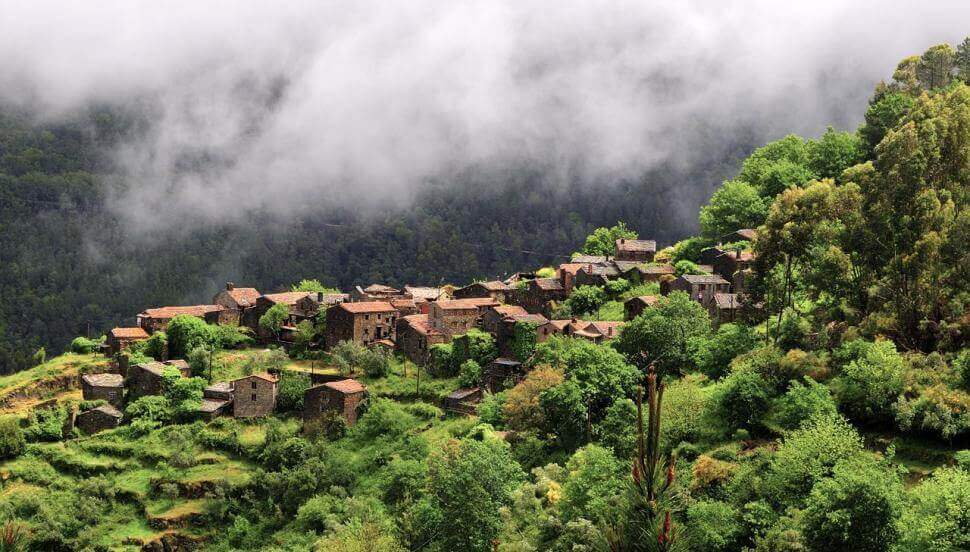
Some dishes are not born from abundance, but from necessity. Chanfana is one of them. In the mountains surrounding Coimbra, across the municipalities of Miranda do Corvo, Vila Nova de Poiares, Penela, and Lousã, a territory now known as the Terras da Chanfana, this dish of old goat slowly cooked in red wine has become more than a recipe. It has become identity.
Its origins are lost between legend and gentle rivalry. Some trace it back to the Monastery of Santa Maria de Semide, where nuns, receiving goats as rent payments, are said to have found in wine a way to cook and preserve the meat. Others place its creation in the context of the French invasions in the early 19th century, when, to prevent their herds from being taken, local populations slaughtered the animals and cooked them in earthenware pots, using regional wine as a natural preservative. There are also those who see chanfana as a direct result of mountain life, pastoral activity, and the harsh schist soils that shaped these communities. Whatever the version, one thing remains constant: ingenuity in the face of scarcity.
In these lands, the goat was a vital resource. It provided milk, reproduced, and fertilized the soil. Only when it grew old and its productive cycle ended was it slaughtered. Nothing was wasted. The meat was used for chanfana, the offal for negalhos, and the rich sauce for so-called “wedding soups.” Even the skin was used. More than an economic necessity, this reflected a culture of respect and full use.
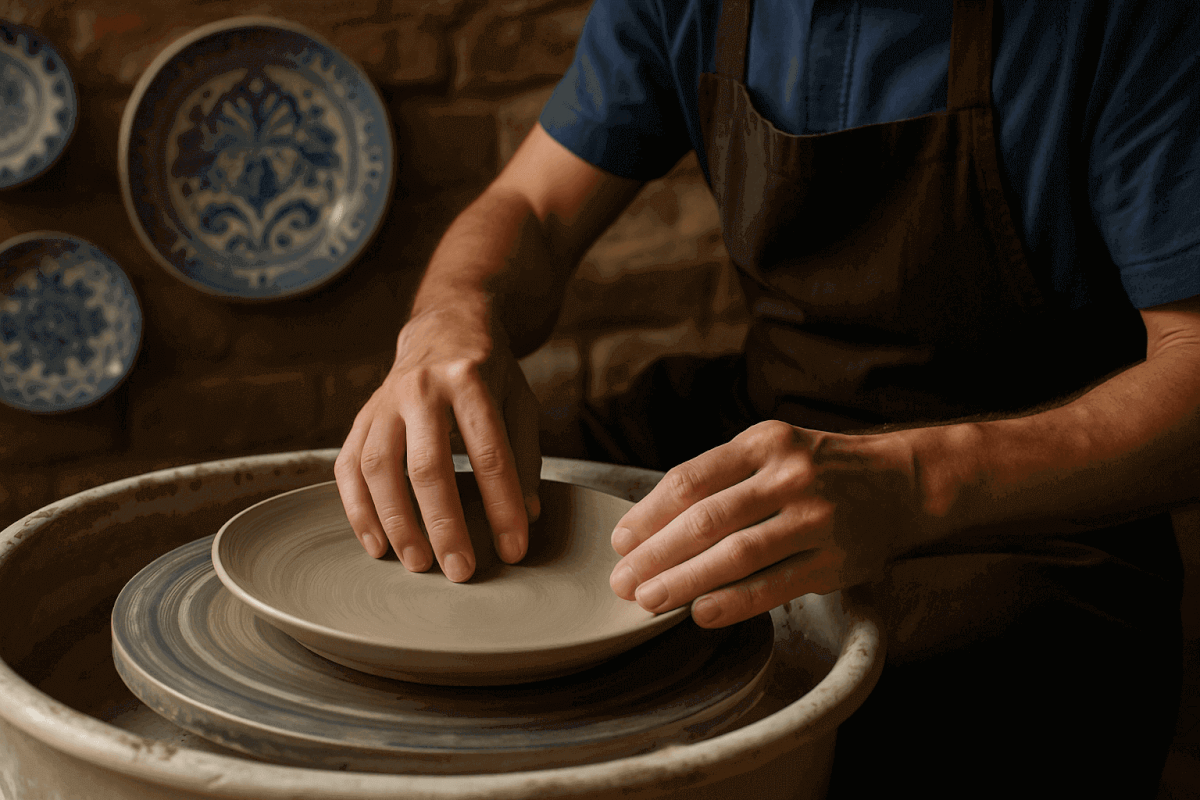
Preparation is slow, almost ritualistic. The meat, cut into generous pieces, is left to rest for hours, often overnight, in red wine, garlic, and bay leaf. It is then placed in earthenware pots, traditionally black or red depending on the region’s pottery, and cooked in a wood-fired oven for several hours with the lid sealed. This long process concentrates flavors and transforms the tough fibers of the old goat into something tender and deeply aromatic. It is typically served with boiled potatoes and greens, whose bitterness balances the richness of the sauce.
Chanfana is often prepared the day before. By the next day, the solidified sauce protects the meat and helps preserve it for longer, a detail that was once essential.
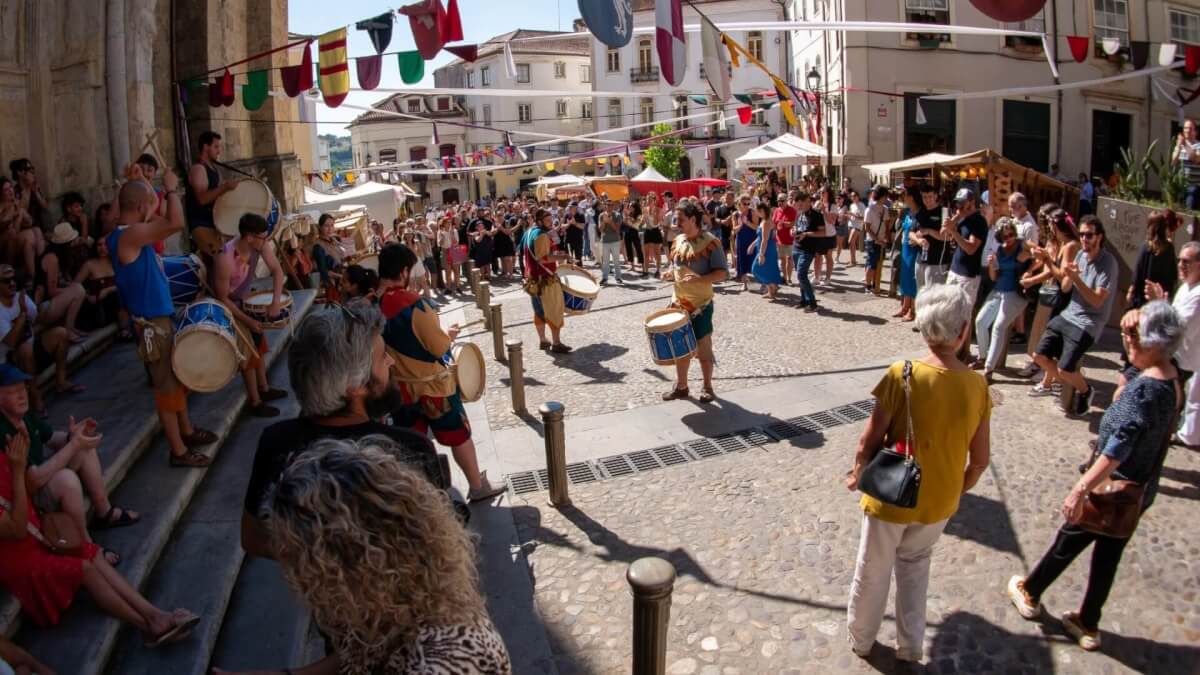
Over time, chanfana became a staple of celebration: religious festivals, family gatherings, long winter meals. It is food of the wood-fired oven, of shared time, of community. Today, that tradition lives on not only in homes, but also in the streets and events that celebrate it across the region.
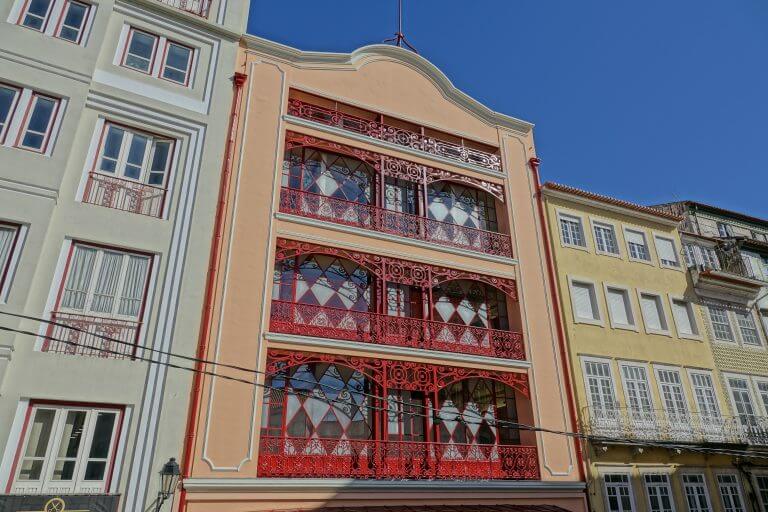
At a time when distances feel shorter, also thanks to new mobility connections such as the Metro Mondego, reaching the Terras da Chanfana has become easier than ever. From Portagem, just a short walk from the hotel, departures run every 30 minutes throughout the day, connecting Coimbra to Lousã and Miranda do Corvo in around 35 minutes. Tickets are available at station machines or SMTUC shops. At the end of the journey, what awaits remains true to what it has always been: a dish that demands time, patience, and sharing.
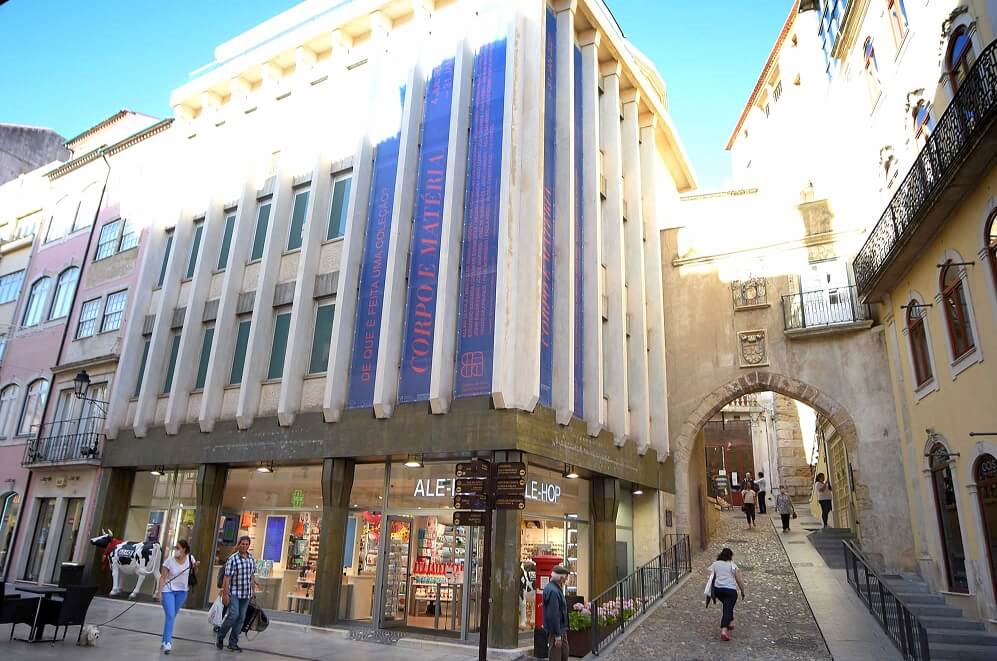
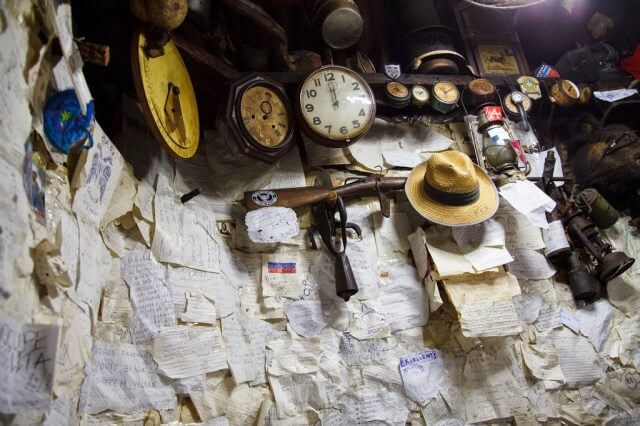
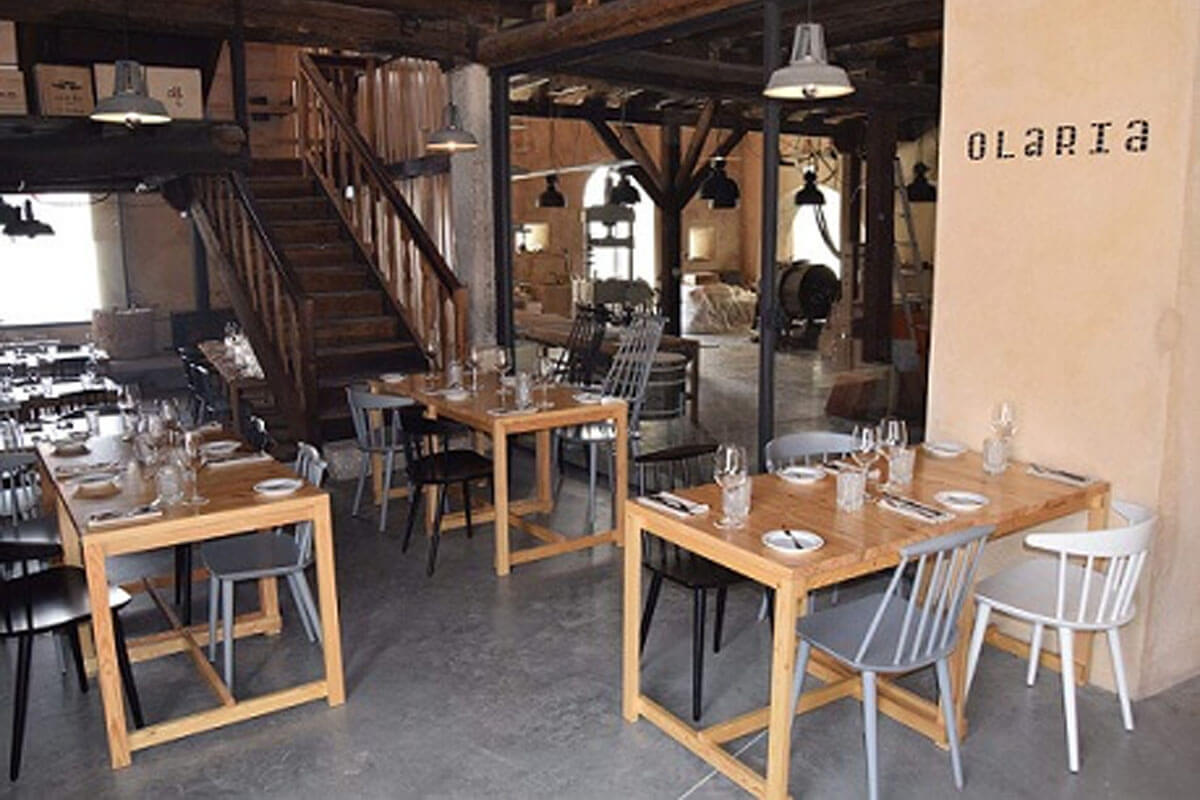
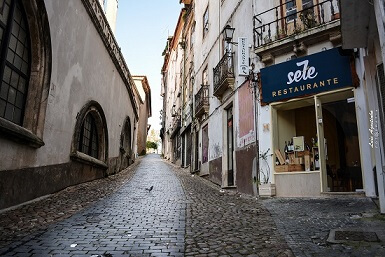
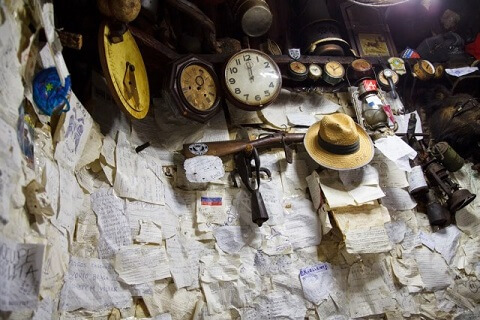
For those visiting Coimbra who wish to taste this tradition without leaving the city, several restaurants continue to serve chanfana with the same respect for time and flavor. In the heart of the Baixa and historic center, notable places include Zé Manel dos Ossos, with its traditional tavern atmosphere, O Trovador, near the Old Cathedral, and Dux Taberna Urbana, which offers a more contemporary take on regional cuisine.
Today, chanfana spans generations. What was once associated with a cuisine of necessity has returned as a symbol of authenticity. In a time of speed and instant consumption, it continues to demand time, fire, and patience. It calls for people to pause, to serve, and to share.
Because chanfana is not just stewed goat. It is collective memory, served at the table.












































































































 Map and Directions
 Contacts