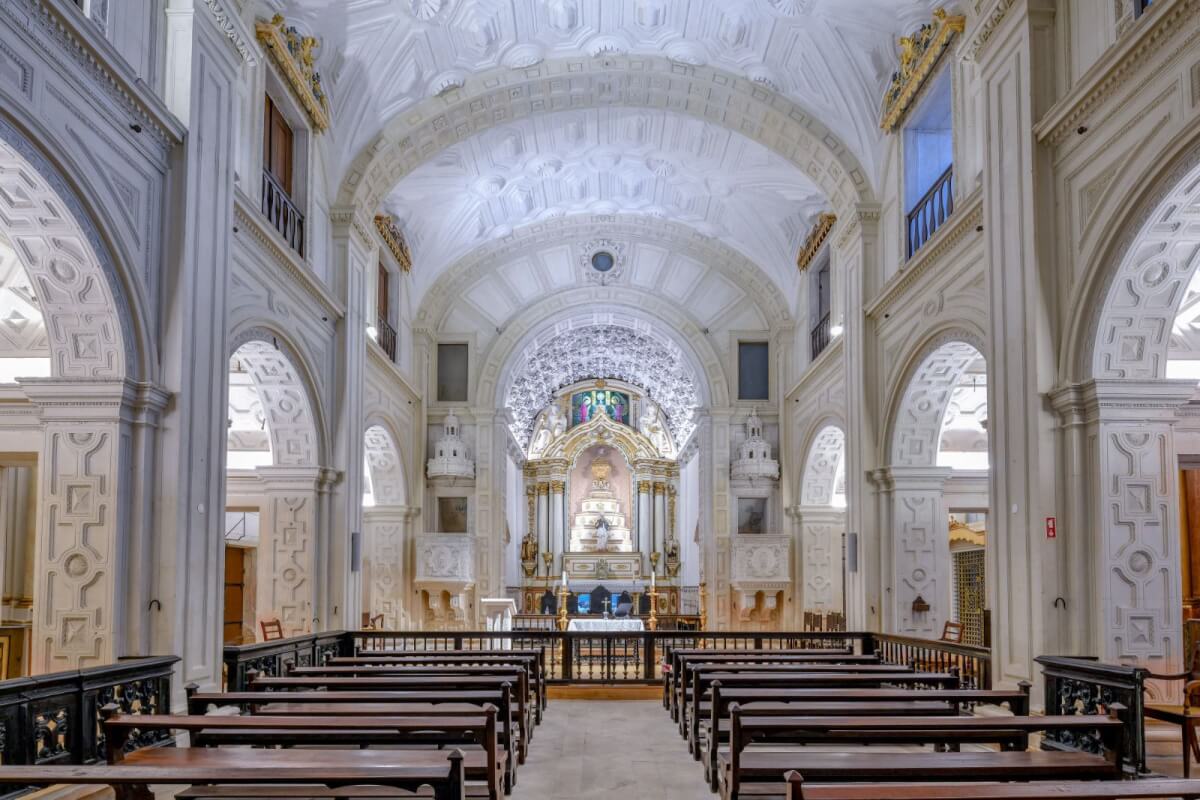
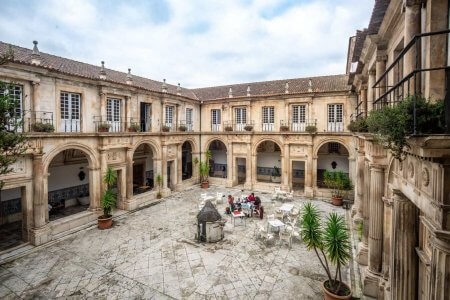
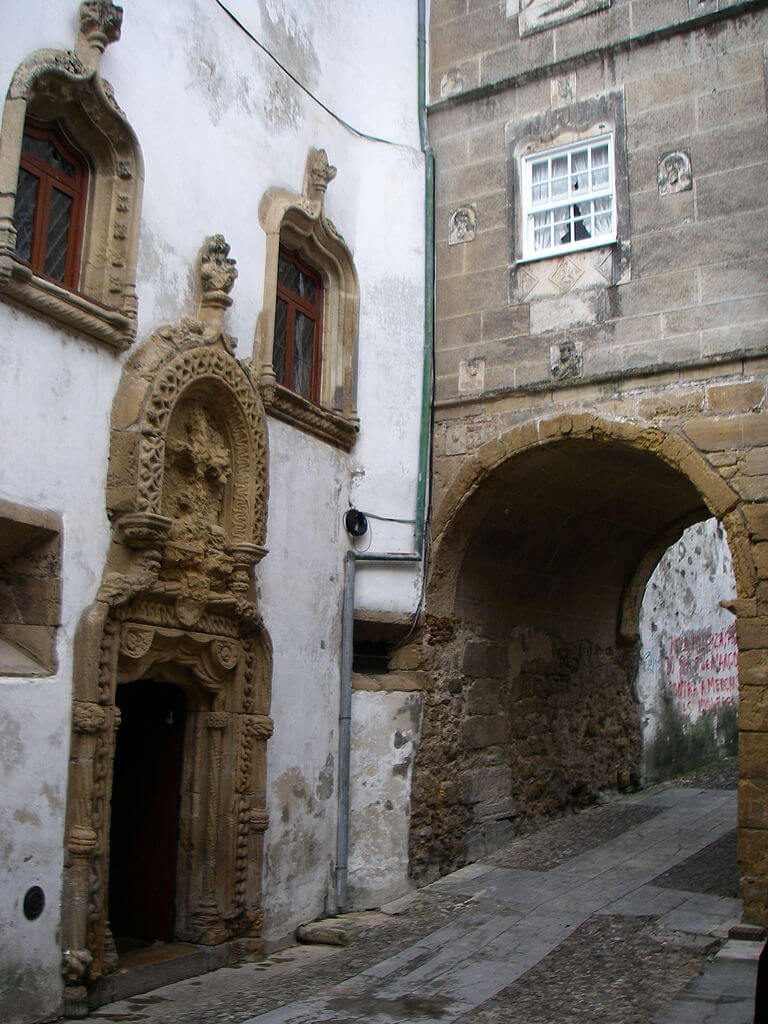
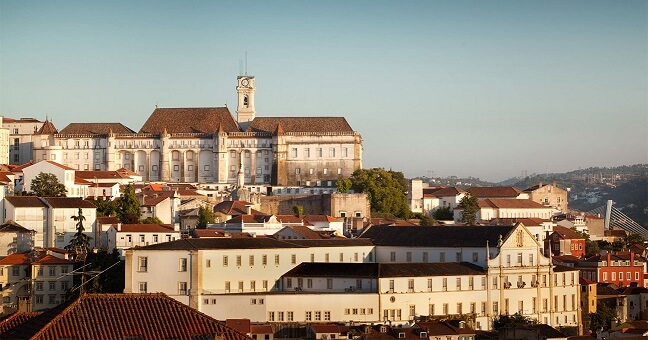
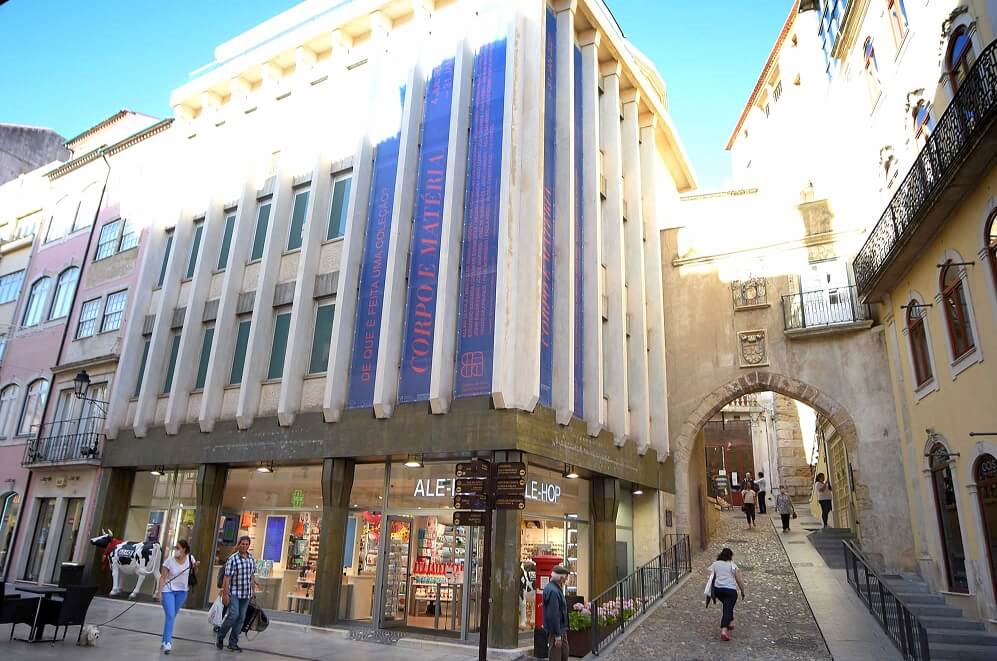
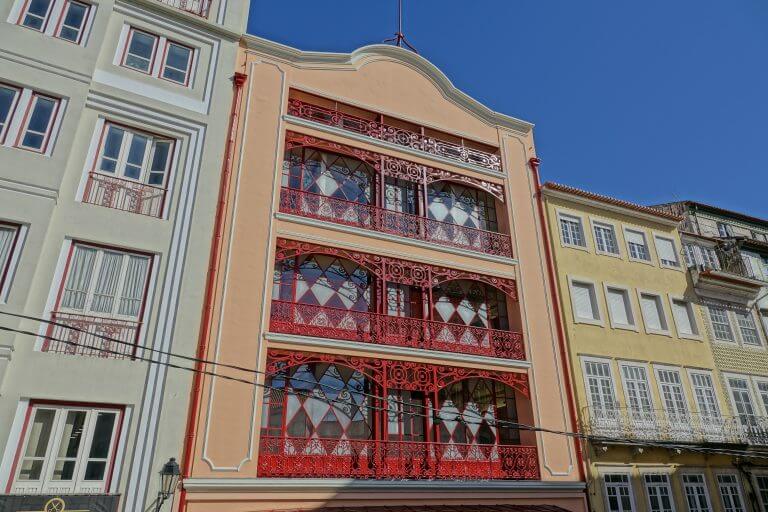
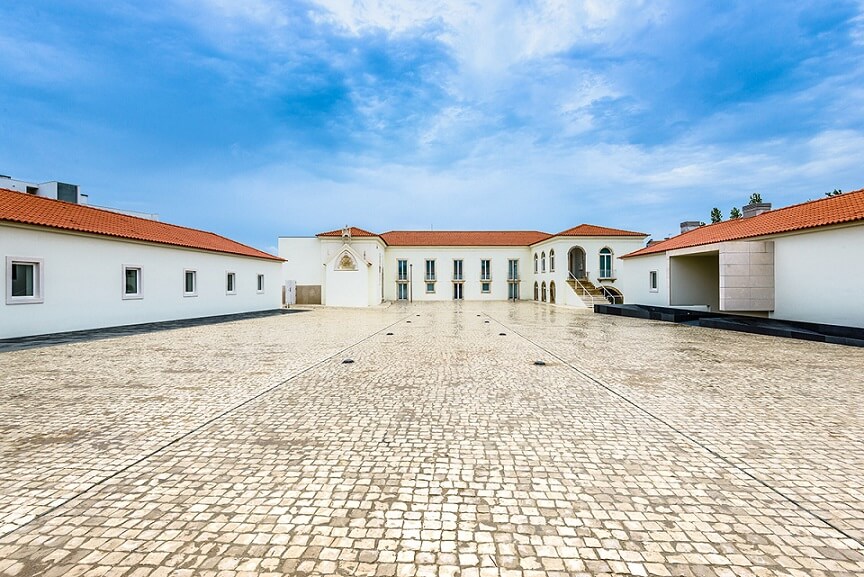
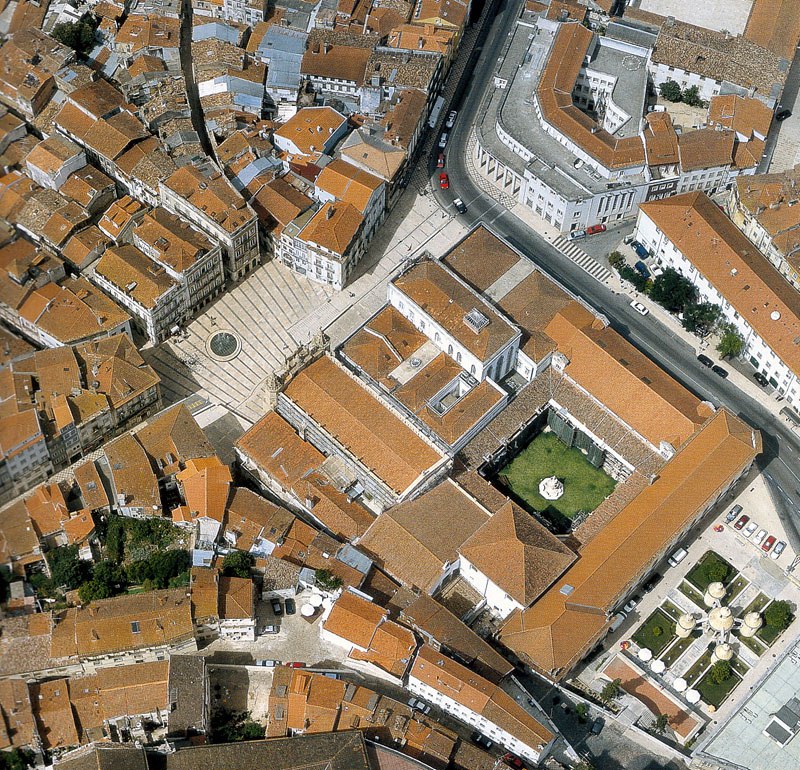
Housed in the former Colégio da Sapiência, in the historic heart of Coimbra, the Museum of the Santa Casa da Misericórdia of Coimbra is a place where time seems to slow down. Within walls that have witnessed centuries, stories of faith, care, and humanity intersect, following the rhythm of the city’s own history.
 Throughout its long existence, the Misericórdia of Coimbra has been sustained by a brotherhood of men and women who, inspired by Christian values, dedicate themselves to serving the most vulnerable. Guided by the traditional Works of Mercy, it seeks to respond to today’s social needs while never losing sight of the human and spiritual dignity of each person.
Opened to the public on 12 September 2000, the museum was created as part of the celebrations marking the 500th anniversary of the Misericórdia of Coimbra, founded by decision of King Manuel I.
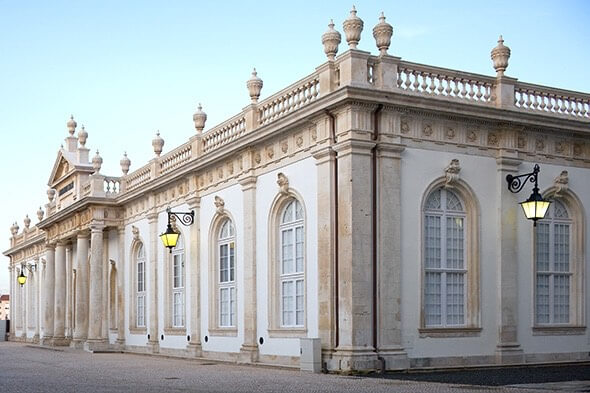
The building that houses the museum was constructed between 1593 and 1604 as a university college for the Canons Regular of St. Augustine. After the extinction of male religious orders in 1834, the property was entrusted to the Santa Casa da Misericórdia of Coimbra. For more than a century it functioned as an orphanage, welcoming generations of children — a profoundly human chapter that earned it the name Colégio dos Órfãos (College of Orphans).
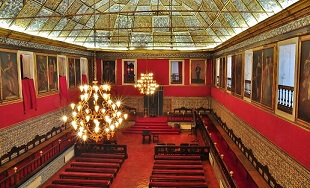
The museum’s collection is vast and deeply symbolic, bringing together painting, sculpture, jewellery, liturgical vestments, furniture, and sacred art. Painting holds a central place, with a gallery of portraits of Providers and Benefactors dating from the 17th to the 20th century, helping to tell the story of the institution and the people who shaped it. In sculpture, notable pieces of great artistic and devotional value include works from the Renaissance and 16th century, alongside polychrome wood figures, faience, and other objects linked to religious practice.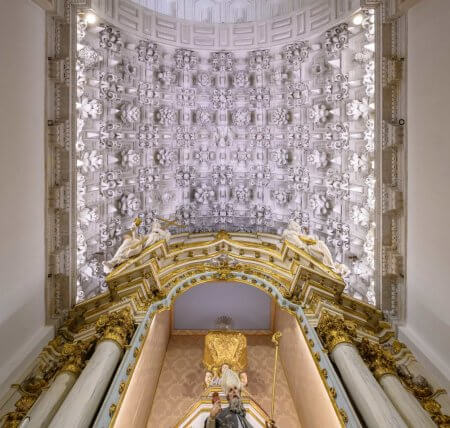
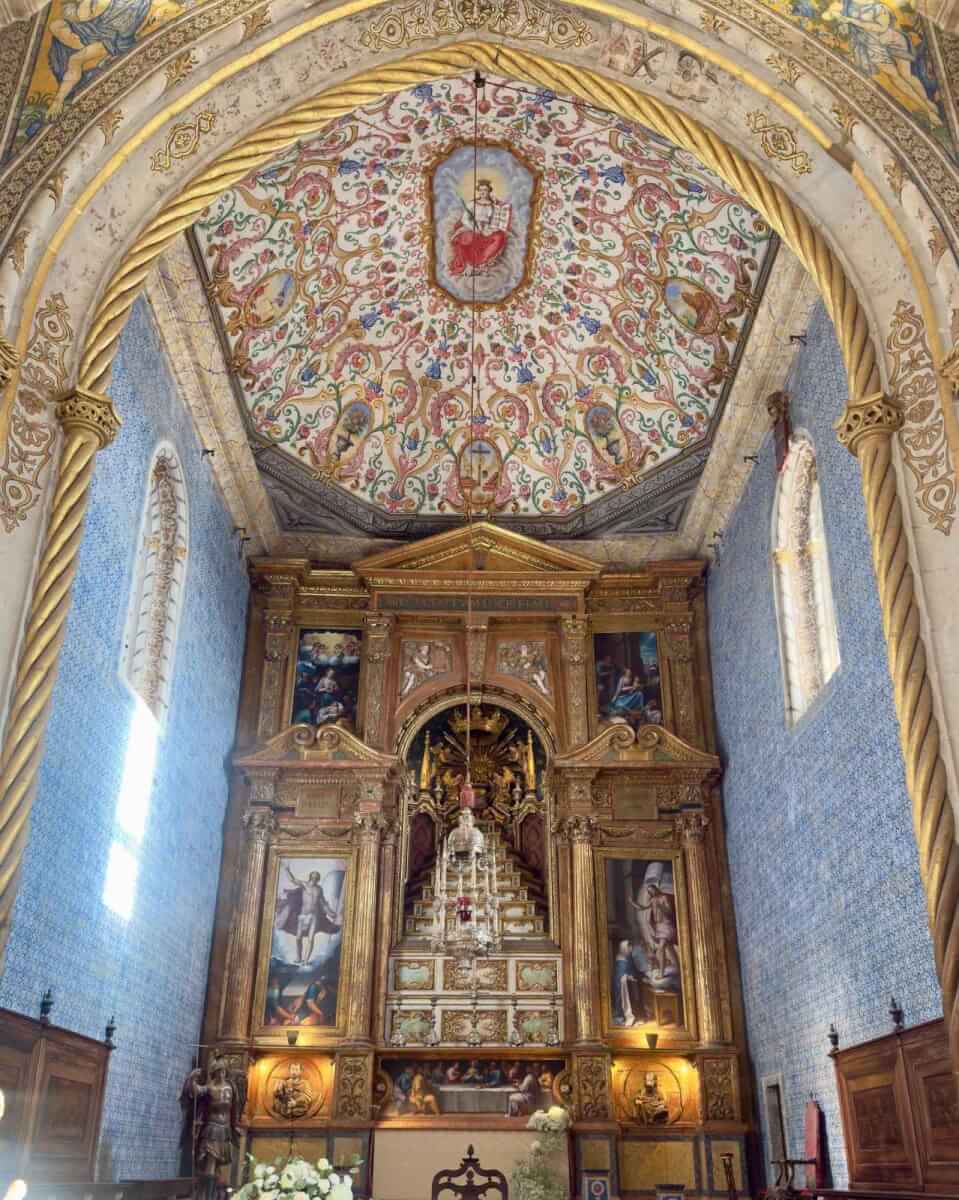
The Misericórdia Chapel is one of the museum’s most striking spaces. Built in 1593, it features a central nave with choir loft and a richly decorated vaulted ceiling, where Christian symbolism coexists with profane references to Portugal’s maritime epic. In the choir, the 18th-century pipe organ continues to give voice to the space, filling it with sound during religious celebrations and concerts.
More than a museum, the Santa Casa da Misericórdia of Coimbra is a place of living memory — where art, faith, and social mission walk side by side, reminding us that history is also built through care, solidarity, and quiet service.
























































































































 Map and Directions
 Contacts